Author: Johnny Mulder

  • Apple Watch Ultra 2 for Seniors: Features That Matter

    At a glance

    Apple list price
    $799
    What I paid
    about $700
    Cellular plan
    Needed for standalone SOS
    Fall detection
    Yes, on by default
    Best suited to
    Active users, outdoors

    Prices are Apple’s published list price and change often — check before buying. “What I paid” is what this cost me personally.

    How I know this: I own an Apple Watch Ultra 2 and wear it daily. Everything below marked as my own experience is exactly that. Where I describe features I have not personally relied on, I say so. This page may contain affiliate links; if you buy through one I may earn a commission, and it does not change what I write.

    Why should seniors consider the Apple Watch Ultra 2? This device promises enhanced visibility, refined health tracking, and a design that considers the typical aging challenges. This guide cuts through the tech jargon to provide clear, practical insights into the “Apple Watch Ultra 2 benefits and uses for seniors”, and how these features may enhance daily life for seniors. The Apple Watch Ultra 2 for seniors has many possible uses and benefits in enhancing the lives of seniors.

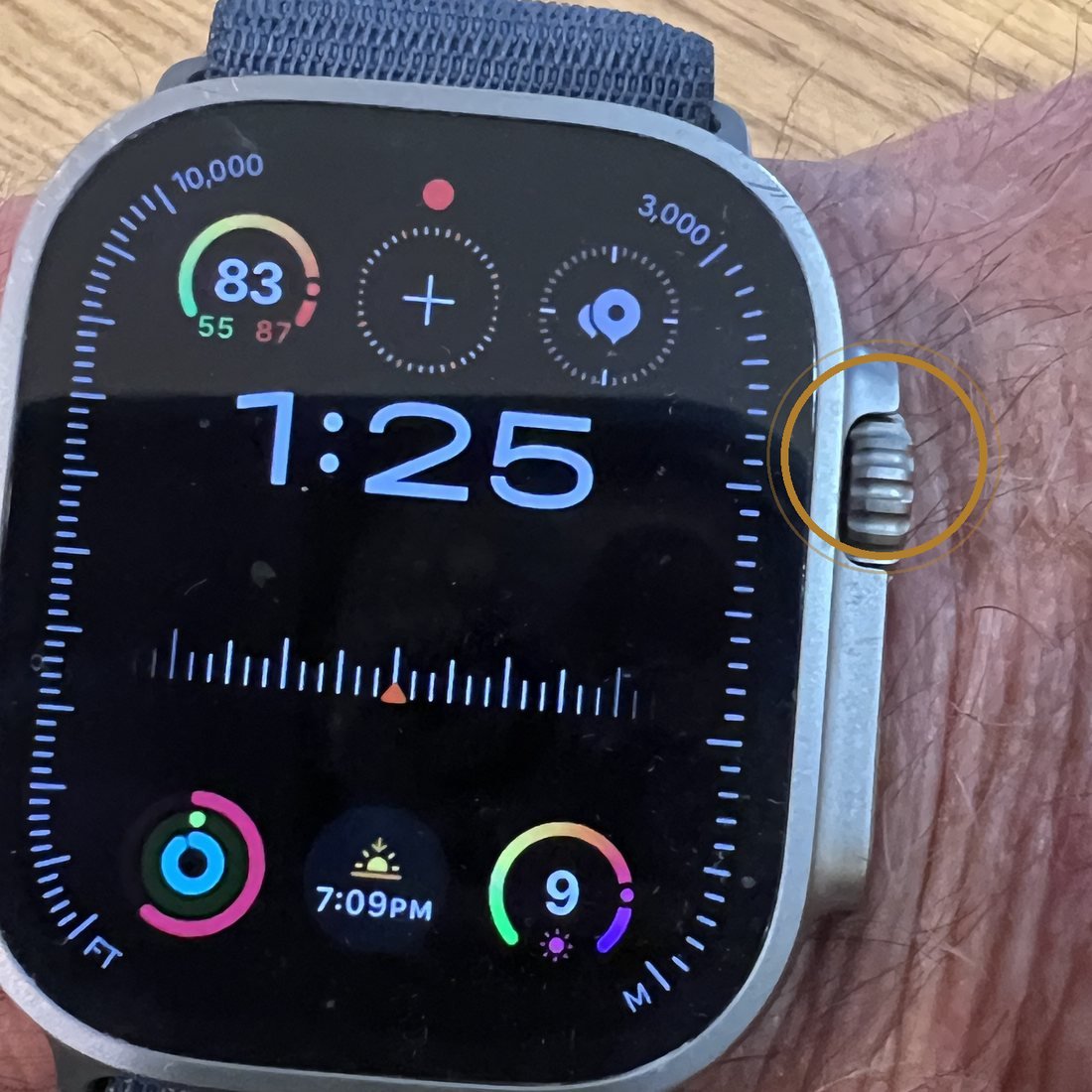
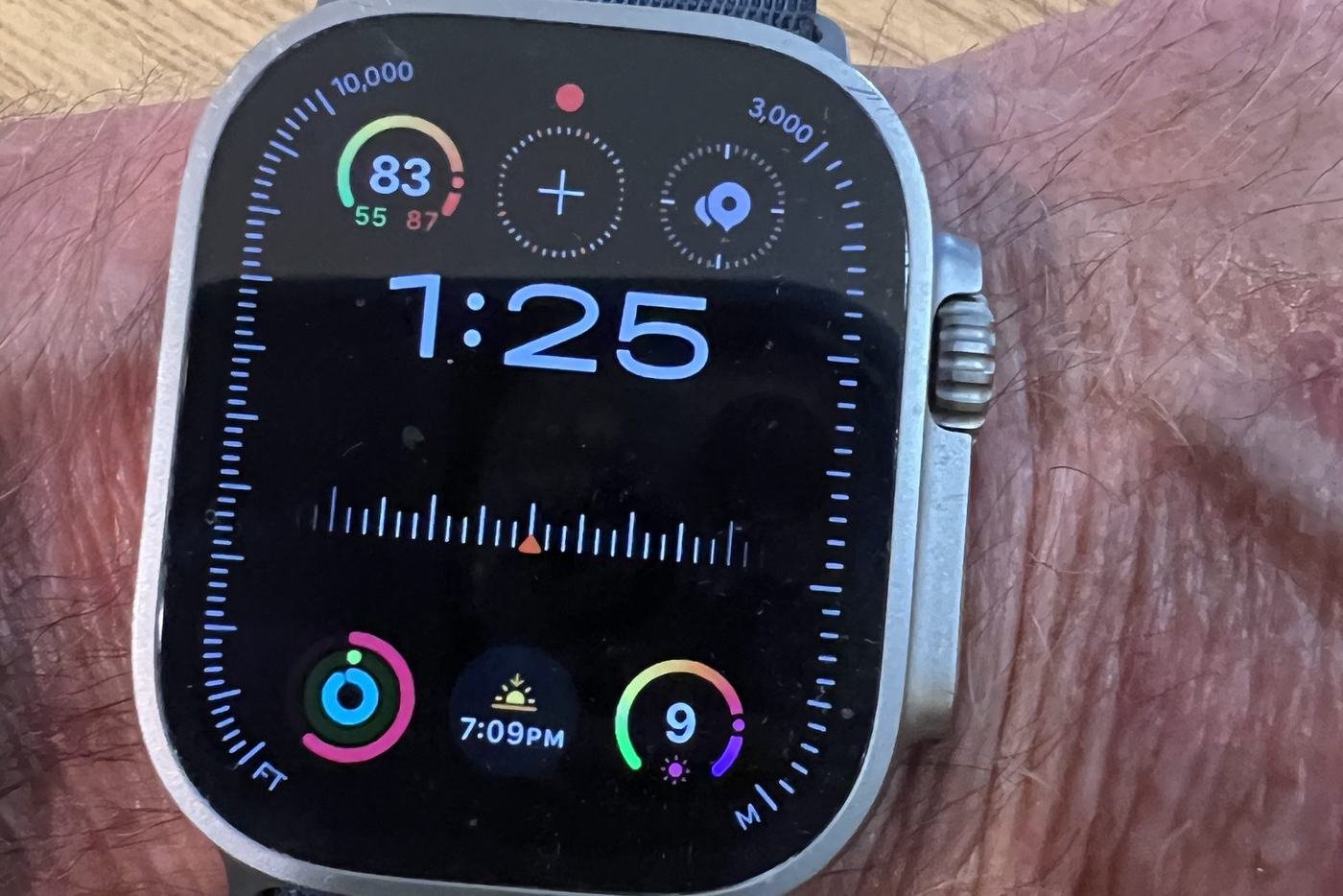
    I love my Apple Watch Ultra 2. I purchased it to check my max heart rate while working out, but now I like to track many different things, like water temperature, sleep time, and activity. I’m 67, but I don’t feel like I’m old! This watch was about $700 and requires a separate cell phone line, so if you are away from your iPhone, the emergency service features still work. My wife had an earlier model for years, and I never thought I would want one, but I’m hooked on my watch. I like the fall notification system on it also, although I have no problem with balance I sometimes use ladders to trim our trees and I can see how this might come into play.

    If you have any health problems, especially heart-related problems, this watch could also be very beneficial because of its recording and tracking function. My wife has had AFIB, and the doctor would check her watch for activity. Who would have thought?

    Introducing the Apple Watch Ultra 2

    The Apple Watch Ultra 2, the latest version in the Apple Watch series, promises a seamless smartwatch experience. It’s aimed at both previous Apple Watch Ultra owners and those entering the realm of smartwatches for the first time. The question that lingers is whether it delivers on its promises.

    The watch operates on a new S9 SiP with custom Apple silicon that includes a dual-core CPU with 5.6 billion transistors and a fresh four-core Neural Engine. It also has a 50% brighter screen at 3,000 nits, which is Apple’s brightest display to date. These features sound impressive, but their real-world performance remains to be seen.

    As with any smart device, battery life is a key consideration. The Apple Watch Ultra 2 purports a battery life of up to 36 hours under normal use and up to 72 hours in low-power mode; however, battery life varies depending on individual usage patterns. It’s a significant claim that needs validation in daily usage.

    The watch’s design facilitates functionality across diverse environments, elevations, and temperatures, asserting its robustness for varied usage. However, the question remains: is it as resilient as it proclaims? Time will tell.

    The Apple Watch Ultra 2 is loaded with enhancements and features over its predecessor, the original Apple Watch Ultra, indicating careful crafting by Apple. However, is it an optimal choice for seniors? We need to analyze further to ascertain this.

    Setting Up Your New Companion

    Getting started with the Apple Watch Ultra 2 requires an iPhone XS or later with iOS 17 and active Bluetooth and internet connectivity. It seems straightforward enough, but let’s walk through the process.

    To bring the watch to life, you need to:

    1. Hold the side button until the Apple logo graces the screen.
    2. Once your iPhone recognizes the device, it will prompt you to continue setting up the Apple Watch Ultra 2.
    3. If automatic pairing fails, do not worry; manual pairing is a viable alternative.

    The setup process for the Apple Watch Ultra 2 includes the following steps:

    1. Choose whether to set up the watch as a new watch or restore it from a previous watch’s backup.
    2. Agree to the terms and conditions.
    3. Sign in with an Apple ID.
    4. Decide whether to create a passcode.

    The process also allows you to tailor settings such as:

    • text size
    • boldness
    • health notifications
    • shared iPhone settings, including Find My and Location Services

    If you have a cellular model, you can set up cellular service at this stage. Once pairing and syncing are complete, the watch displays its face and is ready for use.

    The setup process for the Apple Watch Ultra 2 seems intuitive and user-friendly. Yet, the ultimate assessment is its practical application. We’ll examine that aspect shortly.

    Aesthetic Appeal and Practicality

    At first glance, the Apple Watch Ultra 2 offers:

    • A sleek design with a modular ultra watch face
    • Practical features
    • A lightweight titanium case for durability and corrosion resistance
    • Robust and stylish design
    • A perfect fit for seniors.

    The Alpine and Ocean bands, made from high-performance materials and corrosion-resistant titanium components, complement the watch’s strong yet practical aesthetic. The compatibility with first-gen straps and bands allows seniors to personalize the look of their Apple Watch Ultra 2 without sacrificing comfort or convenience.

    A notable feature of the watch is its display. With an impressive brightness peaking at 3000 nits, the Apple Watch Ultra 2’s screen maintains its visibility even under bright sunlight, a significant advantage for seniors during outdoor activities. In fact, it boasts Apple’s brightest display ever seen on an Apple Watch.

    But the appeal of the Apple Watch Ultra 2 isn’t just skin-deep. The side button and Digital Crown are designed with senior friendliness, featuring enhanced accessibility like a large diameter, coarse grooves, and a raised profile for glove use. In addition, the customizable Action button, identifiable by its International Orange color, adds functionality and a simple interface for initiating workouts or marking a Compass Waypoint. The built-in compass app ensures easy navigation during outdoor activities.

    Material Durability

    The Apple Watch Ultra 2’s durability is impressive. Its titanium case is corrosion-resistant and features raised edges that protect the sapphire crystal screen from impact. So, whether you’re an outdoor enthusiast or an active senior, this watch is built to last.

    The watch is not limited to everyday wear and tear but designed to endure a variety of conditions. It operates in temperatures ranging from -20°C to 55°C and maintains a WR100 water resistance rating, making it suitable for activities like recreational scuba diving to depths of 330 feet.

    The construction of the Apple Watch Ultra 2 doesn’t just focus on durability. It also demonstrates Apple’s commitment to sustainability with a 95% recycled titanium case, a Trail Loop band made from recycled yarn, and a titanium G-hook.

    The Apple Watch Ultra 2 has a MIL-STD 810H certification to bolster its durability claims further, verifying its resilience against high altitude, extreme temperatures, and various environmental stressors. The watch seems as tough as they come, but how does it fare regarding health monitoring? Let’s find out.

    Health Monitoring Capabilities

    Health monitoring is a key feature of any smartwatch, and the Apple Watch Ultra 2 is no exception. Its integrated health app tracks heart rate with precision, minimizing the common lag in other optical heart rate trackers. Users are also notified of high or low heart rates and irregular heart rhythms, helping them stay informed about their heart health. All these features sound great, but do they work as advertised?

    Recent versions of the Apple Watch, including the Ultra 2, have performed well in optical heart rate sensing. The device is not just about heart rate monitoring, though. It also offers sleep tracking, accurately monitoring time spent in REM, Core, and Deep sleep stages. A good night’s sleep is crucial for overall health, and having a device that can accurately track it is a huge plus.

    Beyond tracking, the Apple Watch Ultra 2 emphasizes personalization and precision finding. It enables users to customize training zones and advanced running metrics like Stride Length, Ground Contact Time, and Vertical Oscillation. Such features can prove beneficial for fitness-conscious seniors keen on monitoring their progress.

    The health monitoring attributes of the watch have earned it up to 4.5 out of 5 stars. In addition, the watch accommodates third-party fitness apps and workout apps through custom APIs. Hence, whether you’re partial to Nike Run Club or Strava, this watch caters to your preferences.

    Connectivity and Communication

    A smartwatch is only as good as its connectivity, and the Apple Watch Ultra 2 doesn’t disappoint. Cellular capabilities are a standard feature, enabling users to place calls, send messages, and stream without requiring an iPhone nearby. But how clear is the communication? Test calls conducted with the Apple Watch Ultra 2 resulted in crystal-clear auditory experiences, indistinguishable from calls made on a traditional mobile phone.

    Apart from cellular connectivity, the device offers a comprehensive suite of connectivity options, including Bluetooth, dual-frequency GPS support for enhanced location accuracy, and Wi-Fi networks. The watch’s audio system has dual speakers to boost the volume, providing clear sound for calls and Siri voice interactions. Additionally, the GPS entry point ensures seamless integration with various navigation applications.

    The device also features a three-microphone array that utilizes adaptive algorithms to identify and select the optimal microphone, even in windy scenarios, for maintaining voice clarity. This is a definite plus for seniors struggling with hearing in noisy environments.

    The advanced features, such as double-tap gestures for single-handed operation and on-device Siri processing, are powered by the S9 System in Package (SiP) chip, enhancing interaction and command execution. Although the double-tap gesture can enhance dictation accuracy by up to 25%, it might sometimes misinterpret unique names or uncommon words. Nevertheless, it’s a beneficial feature for seniors struggling with small screens.

    Outdoor Functionality

    For seniors who enjoy the great outdoors, the Apple Watch Ultra 2 has some features that hit the mark. it features a precision dual-frequency GPS system that provides detailed pace, distance, and route maps in conjunction with Apple Maps data. This can be incredibly useful for seniors who enjoy hiking or walking trails.

    For the aquatically inclined and fans of high-speed water sports, the Depth app, when paired with the Oceanic+ app, enables the Apple Watch Ultra 2 to serve as a recreational dive computer capable of tracking depth, underwater time, and water temperature up to 40 meters, automatically saving a log of each session.

    The watch is designed to withstand diverse altitudes and a wide range of temperatures with enhanced emergency features like an 86-decibel siren, although it does have some limitations in comprehensive outdoor navigation and emergency services coverage.

    Lastly, the customizable Action button on the Apple Watch Ultra 2 allows seniors to quickly access outdoor and fitness features like workouts, Compass Waypoint, and Backtrack. The Apple Watch Ultra 2 seems to tick all the boxes regarding outdoor functionality. But is it worth the investment for seniors? Let’s weigh the pros and cons.

    Is the Apple Watch Ultra 2 Worth It for Seniors?

    The Apple Watch Ultra 2 has a premium price tag and is packed with features suited for outdoor adventurers and water sports enthusiasts. However, these extra features may not offer the best value for the average senior when more affordable models like the Series 9 and Apple Watch SE are available.

    While the larger design and increased durability might appeal to some, these could be less appealing to seniors, who often prefer smaller, more discreet wearable devices. The question, then, is not whether the Apple Watch Ultra 2 is an impressive piece of technology – it undoubtedly is – but whether it’s the right fit for seniors.

    With its robust design, health monitoring capabilities, and outdoor functionality, the Apple Watch Ultra 2 is certainly a worthy contender in the world of smartwatches. But when it comes to seniors, it’s essential to consider their specific needs and lifestyle.

    For seniors who lead an active lifestyle, enjoy outdoor activities, and do not mind a larger watch, the Apple Watch Ultra 2 might be a suitable choice. It’s health monitoring and outdoor features could prove helpful, especially for those already owning an iPhone and Apple Watch.

    Conversely, for seniors mainly requiring a watch for health monitoring, communication, and basic functionality, models like the Series 9 or the SE may present a more cost-effective solution. These models continue to deliver essential health monitoring and communication features at a lower price.

    Ultimately, the decision depends on the senior’s individual needs and budget. It’s always a good idea to weigh the benefits against the cost and consider other models that may offer a similar set of features at a lower price.

    Summary

    In conclusion, the Apple Watch Ultra 2 is a feature-rich smartwatch combining functionality and style. It boasts a powerful S9 SiP chip, a 50% brighter screen, and a robust design suited for various environments, temperatures, and activities.

    Its setup is straightforward, and the watch offers a sleek design with practical features like a lightweight titanium case, a customizable Action button, and a bright display. It’s durable, has a WR100 water resistance rating and MIL-STD 810H certification, and is designed to withstand various environmental stressors.

    The Apple Watch Ultra 2’s health monitoring capabilities are impressive. It accurately tracks heart rate, sleep stages, and personalized training zones. Thanks to its cellular capabilities, dual speakers, and three-microphone array, it also offers excellent connectivity and communication.

    For seniors who enjoy outdoor activities, the watch’s outdoor functionality—including dual-frequency GPS, a Depth app for diving, and a customizable Action button—will come in handy. However, when considering its price and the specific needs of seniors, more affordable models like the Series 9 and SE might offer better value.

    In essence, the Apple Watch Ultra 2 is an impressive technology. But when it comes to seniors, the watch’s value lies in how well it aligns with their specific needs and lifestyle.

    Frequently Asked Questions

    Does the Apple Watch Ultra 2 offer value for money for seniors?

    The Apple Watch Ultra 2 may not offer the best value for seniors, especially if they don’t need advanced outdoor features. More affordable models like the Series 9 or SE could be a better fit for essential health monitoring and communication features.

    How durable is the Apple Watch Ultra 2?

    The Apple Watch Ultra 2 is highly durable due to its titanium case, water resistance, and MIL-STD 810H certification, ensuring resilience in diverse conditions.

    What health monitoring capabilities does the Apple Watch Ultra 2 offer?

    The Apple Watch Ultra 2 offers accurate heart rate tracking, sleep stage monitoring, personalized training zones, and notifications for high or low heart rates and irregular heart rhythms, making it a comprehensive health monitoring device. I like to check my sleep every morning.

    Does the Apple Watch Ultra 2 offer clear communication?

    The Apple Watch Ultra 2 offers clear communication due to its cellular capabilities, dual speakers, and three-microphone array. It also has advanced features like double-tap gestures and on-device Siri processing.

    What outdoor features does the Apple Watch Ultra 2 offer?

    The Apple Watch Ultra 2 offers dual-frequency GPS, a Depth app for diving, and a customizable Action button, making it an ideal choice for outdoor adventurers and water sports enthusiasts.

  • Medication Reminders That Actually Get Used

    Picture this: You’re holding your weekly pill organizer, staring at those little compartments. AI helps you take your meds using a no-miss method. Did you take your heart medication this morning? You think so, but the day was such a blur. This uncertainty happens a little too often, and it’s starting to worry you. I’m fortunate, so far, in that I only need to take two pills once a day, but my wife has a bunch of meds to take multiple times daily. Unfortunately, she occasionally forgets what she has and has not taken. That is what led me to this search.

    If this feels familiar, you’re far from alone. Millions of people, especially seniors, struggle to keep track of their medications. Whether it’s a complex schedule, simple forgetfulness, or worries about side effects – missed doses happen. However, AI (artificial intelligence) is here to change that, offering smart tools to make medication management much easier.

    Why is Taking Medications As Prescribed So Tough?

    • So. Many. Pills: As we get older, it’s not uncommon to have multiple medications for different conditions. Keeping track of dosages, whether to take them with food, and what time of day can feel like solving a puzzle.
    • Memory Slips: Even with the best intentions, remembering to take pills on time gets harder as we age. A busy day, an unexpected errand… and suddenly you realize it’s past bedtime and the evening dose is still in the box.
    • “Does this REALLY matter?” Sometimes, we might think skipping a dose or two isn’t a big deal. Maybe it’s a medication with side effects, or the cost is causing added stress. But inconsistent dosing can have serious consequences.
    • Feeling Overwhelmed: All the instructions, warnings, and schedules can be confusing. It’s easy to feel unsure or even a bit lost in the world of medications.

    AI to the Rescue: Smart Ways to Stay on Track

    Forget those old-school pillboxes! AI is bringing a whole new level of support:

    • Smart Pill Dispensers: Picture a little medication robot for your countertop! These clever devices automatically release the correct pills at the right time, and send reminders to your phone or even to a loved one. No more guessing or wondering.
    • Apps that Get You: Medication reminder apps are a dime a dozen, but AI-powered ones are extra smart. They learn your habits, offer personalized nudges, and can even use your phone’s camera to help identify mystery pills!
    • Tiny Trackers: Wearable sensors are getting smaller and smarter. Some can detect when you’ve swallowed your medication, sending peace-of-mind updates to your family and potentially even your doctor.

    The Power of AI: Why These Tools Make a Difference

    • Better Health, Less Worry: The biggest win? When you take your meds consistently, they work better! That means managing chronic conditions more effectively and avoiding those scary hospitalizations.
    • Helping Hands Even From Afar: If you have a family member who helps you with medications, AI tools can be their superpower. They’ll get alerts if a dose is missed, so everyone’s in the loop.
    • Tailored To You: AI can analyze your habits and data to suggest the best timing for your dosages or even ways to improve your whole medication plan.
    • Saving Money in the Long Run: Sure, those smart dispensers might seem pricey upfront, but did you know missed doses lead to a ton of unnecessary healthcare costs? AI can help you avoid those down the line.

    Challenges and Looking Ahead

    • Can Everyone Afford It?: AI tech can be expensive, but prices are coming down. For now, talk to your insurance provider and doctor – there might be assistance programs to help.
    • Keeping Your Info Safe: With all this data being collected, it’s totally normal to worry about privacy. Ask about a company’s security policies before using their devices or apps.
    • Doctors are Still Key: AI is awesome, but it’s a tool, not a replacement for your healthcare team. Always keep them updated about what you’re using.

    The Future is Bright (and Forgetfulness-Free!)

    Imagine a world where no one worries about missed doses. You feel confident, your health is better, and your family has peace of mind. That future can be yours!

    Let’s Start a Conversation

    Have you tried any AI tools to manage medications? What worked, and what are you still wondering about? Share below – your experiences help others!

  • AI-Powered Fitness for Seniors: A Plain Guide

    Picture this: your own digital workout buddy who knows your body better than you do, keeps you safe, cheers you on, and helps you get in the best shape of your life. Sounds too good to be true? Not anymore. Thanks to incredible leaps in artificial intelligence (AI), personalized fitness is now at your fingertips, and for seniors, this could mean a whole new lease on active, independent living. AI-powered fitness is here. Explore and take advantage of it for a healthier and happier life,

    Fitness After 60: Why Technology is Your Friend

    Staying active as we age is essential for both physical and mental health. Exercise helps manage chronic conditions, improves balance to prevent falls, and can even keep our brains sharp! But finding workouts that are safe, effective, and motivating can be a real challenge. That’s where AI-powered fitness comes in. My Apple Watch Ultra 2 makes me much more likely to start and then complete my workouts. I would never have thought that a watch could motivate me, but it does.

    Benefits of AI-Powered Fitness for Seniors

    Think of AI fitness as a personal trainer with superpowers. Here’s what it can do for you:

    • Safety First: AI can monitor your form during workouts, flagging potential issues and even making real-time adjustments to keep you protected from injuries. It’s like having a trainer watching your every move, 24/7.
    • Custom Made for You: No more one-size-fits-all workouts! AI analyzes everything about you – fitness level, medical history, likes, dislikes– to build a plan that’s unique to your needs and goals.
    • Your Biggest Cheerleader: AI fitness offers constant guidance, feedback, and helps you track your progress, just like a dedicated trainer would. Plus, many platforms have ways to connect with others, adding a fun social element.

    Types of AI-Powered Fitness to Explore

    Let’s look at some exciting ways AI is transforming senior fitness:

    • Virtual Personal Trainers Think of them as pocket-sized fitness gurus. Apps like Aaptiv and FitnessAI offer thousands of workouts, from beginner yoga to strength training. They even demo exercises and can adjust workouts based on your feedback.
    • Smart Fitness Equipment: For those who want a tech upgrade, consider machines like Heyday, offering resistance training personalized by AI. Seniors get a safe, effective strength workout while detailed data helps the AI plan future sessions for improvement.
    • Wearables + AI: Your Fitbit isn’t just counting steps anymore! Many wearables partner with AI fitness platforms. Let your heart rate guide workout intensity or tailor recovery days for optimal progress.

    Overcoming Challenges

    • Tech Fear? No Problem! Choose platforms built with seniors in mind. Look for intuitive designs and clear instructions. Having a tech-savvy family member help with the initial setup works wonders.
    • Cost Worries: While some fancy equipment has a price tag, there are tons of affordable (even free!) AI fitness apps that are incredibly powerful tools. Check with local senior centers and programs, some offer tech-friendly exercise options.
    • Privacy Matters: Reputable fitness platforms have clear policies about how your health data is used. A quick search can ease your mind and help you choose one that prioritizes your privacy.

    The Future Looks Bright: AI Fitness Keeps Getting Smarter

    “AI fitness is still in its early days, especially for seniors. Get excited, because things are only going to get better!” – Dr. Emily Roberts, physical therapist specializing in geriatrics.

    Imagine AI programs that target brain health along with physical fitness, or workouts for managing specific conditions like diabetes. More affordable and senior-focused smart machines are likely on the way, and AI fitness could play a big role in community programs and healthcare settings.

    The Takeaway

    The idea of getting fit with a robot might sound strange, but think of AI as the ultimate workout partner – one that’s always there for you, adapting to your needs. Of course, the human touch still matters. A trainer or physical therapist is crucial, especially at the start. But AI fitness can empower seniors to take charge of their health, safely, and maybe even have some fun at the same time.

    Ready to get moving? Here’s how to get started:

    • Talk to Your Doctor: Especially if you have any health concerns.
    • Try a Few Apps: Most offer free trials. See which ones you enjoy!
    • Explore Local Options: Many senior centers offer fitness classes.

    Reader Questions: Have you tried AI-powered fitness? What are your experiences? Share in the comments, let’s learn together!

  • Eilik Robot: What It Is, What It Costs, Who It Suits

    ​In today’s increasingly digital world, it’s no surprise that technology is integrated into every aspect of our lives, including companionship. And now, with the release of Eilik Cute Robot Pets, seniors can experience the joy and companionship of having a robot pet.  I hope this Eilik Robot Explained will help you decide whether this is a product you should try. These adorable little creatures are designed to provide comfort, entertainment, and therapeutic benefits to those in their golden years. This review will examine what makes these cute robot pets the perfect companion for seniors. So, let’s dive in and discover how these delightful robots can bring joy and fulfillment to the lives of our beloved seniors.

    What are the dimensions of this product?

    ​In today’s world, technology has become an integral part of our everyday lives. There seems to be no shortage of innovative gadgets, from smartphones to smart homes. One exciting device recently gaining popularity is the robot companion for seniors. This unique product provides assistance and companionship to the elderly, helping to alleviate feelings of loneliness and providing a sense of security.

    When considering the dimensions of such a product, it is crucial to understand that these robots are designed with the specific needs of seniors in mind. Typically, they are compact and lightweight, making them easy to maneuver and transport. The dimensions of a robot companion for seniors can vary depending on the manufacturer and model. Still, they are generally designed to be user-friendly and fit comfortably within any living space.

    Most robot companions for seniors are approximately two to three feet tall, allowing them to navigate easily through doorways and hallways. The Eilik is a small robot (Size: 4.3 x 4.2 x 5.2 inch) to see if it might be a good fit at a very affordable price. The width of these robots is also optimized for accessibility, ensuring they can move in tight spaces without any issues. Additionally, many of these devices come equipped with sensors and cameras, which enable them to detect obstacles and adjust their movements accordingly.

    Overall, the dimensions of a robot companion for seniors are carefully considered to provide functionality and convenience. These compact and versatile devices are designed to enhance the quality of life for elderly individuals. With their ability to offer companionship, assistance, and an extra layer of security, robot companions for seniors are truly changing the face of senior care.

    How is Eilik powered?

    ​Innovative gadgets and devices are becoming increasingly integrated into our daily lives as technology advances. One such device that has captured the attention of many is Eiliq, a remarkable robot companion explicitly designed for seniors. With its ability to assist, entertain, and provide companionship, Eilik has quickly garnered attention and praise from both users and caregivers alike. But have you ever wondered how Eilik is powered?

    Eilik is powered by a rechargeable battery, making it an energy-efficient and environmentally friendly option. The battery can be easily charged using a power cord like a smartphone or tablet. Once fully charged, Eilik can operate for an extended period, ensuring continuous support and companionship for seniors.

    In addition to its rechargeable battery, Eilik incorporates cutting-edge technology such as artificial intelligence and machine learning. These features enable Eiliq to adapt and learn from user interactions, making it an even more efficient and personalized companion. Its ability to understand and respond to natural language commands allows seniors to easily communicate and interact with the robot, enhancing their experience.

    Furthermore, Eilik is designed with energy-saving features to maximize its battery life. For instance, it automatically enters sleep mode when not in use, conserving energy and ensuring a longer operational time. This thoughtful design enhances user convenience and reduces overall power consumption.

    In conclusion, Eilik’s power source lies within its rechargeable battery, offering users a convenient and sustainable solution. With its advanced technology and energy-saving features, Eilik provides seniors with an exceptional robotic companion that is both reliable and efficient. As this innovative device continues to evolve, it will likely revolutionize how we think about senior care and companionship in the future.

    Is there a recommended age range for using Eiliq as a pet?

    ​Pets can bring immeasurable joy and companionship to people of all ages. They offer a sense of purpose and a source of comfort. When it comes to choosing a pet, age is an essential factor to consider. However, Eiliq, a popular robot pet, has become a RobotEiliq has gained popularity as a companion for seniors, providing entertainment and emotional support. With its advanced technology, Eiliq is designed to interact and engage with its owners, creating a sense of companionship and alleviating loneliness. But is there a recommended age range for using Eiliq as a pet?

    While there is no set age limit for owning an Eilik, it is essential to consider individual needs and capabilities. Eilik can be a great choice for seniors who may have mobility or health issues, as it doesn’t require extensive physical activity or constant care. Moreover, its interactive features can provide mental stimulation and cognitive benefits, which are particularly beneficial for older adults.

    However, it’s crucial to ensure that seniors understand the limitations of owning a robotic pet. Eilik cannot replace the love and affection of a real animal, and some seniors may still prefer the companionship of a furry friend. Additionally, technical skills may be required to fully utilize Eiliq’s features, so less tech-savvy seniors may find navigating the robot’s capabilities challenging.

    In summary, while there is no strict age restriction, Eilik can be a suitable companion for seniors who seek a sense of purpose and comfort without the physical demands of owning a natural pet. It is essential, however, to consider individual preferences, capabilities, and technological skills before opting for Eilik as a pet.

    Companion for seniors.

    Eiliq does not require feeding, walking, or veterinary care, unlike traditional pets. It is a low-maintenance option that can provide companionship to seniors who may face physical limitations or have difficulty caring for a live animal. With its advanced technology, Eilik can respond to voice commands, mimic real-life pet behaviors, and even provide emotional support.

    While there is no official recommended age range for using Eiliq as a pet, it is particularly well-suited for seniors living alone or experiencing loneliness. The robot pet can help alleviate isolation and provide entertainment through interactive games and activities. Its lifelike appearance and touch sensors offer a sense of realism, making seniors feel like they have a genuine companion.

    It’s important to note that while Eiliq can offer companionship, it should not replace human interaction and socialization. Seniors should still engage with others and participate in social activities to maintain a well-rounded lifestyle. Eilik can serve as a supplemental companion, but it should not be seniors’ sole source of emotional connection.

    In conclusion, Eilik can be an excellent Robot companion for seniors, providing companionship and entertainment. Its low-maintenance nature and advanced technology make it an attractive option for seniors with limitations in caring for live animals. However, it should be used with human interaction to ensure a well-rounded lifestyle. By considering each senior’s specific needs and preferences, Eilik can be introduced as a valuable addition to their lives.

    ENERGIZE LAB Robot Pets Features

    ​Energize LAB has recently unveiled its latest innovation in the robotic pet market – Robot Pets Features. Designed to be the ultimate companion for seniors, these robotic pets bring joy, companionship, and a sense of purpose to the lives of the elderly. With advanced features and cutting-edge technology, these robot pets are revolutionizing how seniors interact with the world around them.

    One of the standout features of these robot companions is their realistic appearance and behavior. From the soft and cuddly fur to the lifelike movements and sounds, these pets provide a sense of comfort and familiarity often lacking for seniors living alone. With sensors that respond to touch, sound, and motion, these robots can even mimic the actions of real animals, making them truly interactive and engaging.

    But that’s not all – these robot pets are also equipped with intelligent algorithms that allow them to learn and adapt to their owner’s preferences. Through a simple interface, seniors can customize their pet’s personality traits, such as being more playful or calm, ensuring a tailored experience that brings maximum joy and emotional support.

    Furthermore, these robot companions offer various benefits that go beyond companionship. For seniors with limited mobility or health conditions, these pets can be reminders for medication or daily activities. They can also provide a sense of security and safety by detecting and alerting their owners to potential environmental hazards.

    In conclusion, Energize LAB’s Robot Pets Features are truly a game-changer in the realm of robotic companions for seniors. With their advanced features, realistic appearance, and adaptive behavior, these pets provide much-needed companionship, emotional support, and even practical assistance. As the population ages and the need for companionship increases, these robot pets offer a promising solution to combat loneliness and isolation among seniors, ensuring a happier and healthier quality of life.

    ENERGIZE LAB Electronic Pets Functionality

    ​Technology has become an integral part of our lives in today’s fast-paced world. From smartphones to smart homes, it seems like there’s a gadget for everything. And now, we have electronic pets designed to provide companionship and entertainment. One such innovation is the ENERGIZE LAB Electronic Pets, a range of interactive robotic companions that offer a unique experience.

    These electronic pets are not toys but rather advanced devices specifically designed to cater to the needs of different age groups. One of the notable features of the ENERGIZE LAB Electronic Pets is their function as a robot companion for seniors. As our population ages, loneliness can become a real problem for many older adults. Having a robotic companion that can provide company, engage in conversation, and even perform simple tasks can help alleviate feelings of isolation.

    But the functionality of these electronic pets extends beyond just being a companion. They are equipped with various sensors and smart technology, allowing them to recognize and respond to different stimuli. From voice recognition to facial detection, these electronic pets can interact with their owners more personally. They can even learn and adapt over time, making the experience more tailored to individual preferences.

    Whether you’re a senior looking for a companion or someone simply interested in cutting-edge technology, the ENERGIZE LAB Electronic Pets have something to offer. Their functionality goes beyond a mere toy, providing a source of entertainment, companionship, and even some practical assistance. With their advanced features and user-friendly interface, these electronic pets are a step towards a future where technology and humanity merge to enrich our lives.

    Should you buy Eilik as a pet for your child or parent?

    The Energizer Eilik is a small, portable robot that can serve as a desk toy or a pet. It’s got some neat features and we liked the “tickle” zone on its belly, but it’s unlikely to keep your attention for more than a few days.

    Eilik will recognize and interact with other Eilik robots
    Adjusts to your personality
    Unique animations for belly, head, and back
    Customizable appearances
    Eilik can play with other Eilik pets

    Poor battery life
    No voice recognition or app

    Weight: 8 ounces
    Type: Robot Pet
    Game options: Yes
    Size: 4.3 x 4.2 x 5.2 inch
    Usage: Home or Workspace

    ​When it comes to choosing a pet, there are a multitude of options to consider. However, one unconventional choice gaining popularity in recent years is the Eilik, a robot companion designed to provide companionship and entertainment for people of all ages. But should you buy an Eilik as a pet for your child or parent? Let’s delve into the pros and cons.

    First and foremost, the Eilik can be a great source of companionship, particularly for seniors living alone or having limited social interaction. These robot companions are programmed to engage in conversation, play games, and even provide reminders for medication and appointments. The Eiliq can be a lifeline for older adults, offering emotional support and a sense of connection without human companions.

    On the other hand, some argue that owning an Eilik as a pet could lead to a decline in human interaction and social skills. Children who spend too much time interacting with a robot companion might miss out on crucial aspects of human interaction, such as building empathy and emotional intelligence. It is essential to strike a balance and ensure that the Eiliq is not a substitute for genuine human connections.

    Additionally, it’s essential to consider the financial aspect of owning an Eilik. These robotic companions can be expensive, and ongoing maintenance and software updates will incur additional costs. Families with limited budgets might find it more affordable and fulfilling to opt for a more traditional pet, such as a cat or a dog, which can provide love and companionship without the hefty price tag.

    Ultimately, the decision to buy an Eilik as a pet for your child or even for yourself is a personal one that depends on various factors, including individual circumstances and preferences. While these robot companions can offer unique benefits, weighing their advantages against potential drawbacks is crucial. Whether you embrace technological advancement or opt for a traditional pet, what matters most is finding a companion that brings joy and enriches your life in the best possible way.

  • Robot Companions for Seniors: The Main Options Compared

    ​In the ever-evolving world of technology, AI companions have become essential companions for seniors. These intelligent machines offer companionship, assistance, and entertainment, enhancing the quality of life for older individuals. As we enter 2024, the demand for advanced AI technology for seniors has soared, with sales managers for senior retirement communities like Atria Bell Court recognizing the profound benefits these robotic companions can bring. Join us as we explore the best robot companions for seniors in 2024 and delve into the incredible AI advancements revolutionizing how we care for and connect with our aging loved ones.

    What Do Robots For Seniors Do?

    Robots for seniors have become increasingly popular in recent years, offering a range of benefits and support to older adults. These AI-powered companions are designed to enhance the quality of life for seniors, providing assistance with daily tasks and ensuring their safety and well-being.

    According to Will Knight, Senior Editor for AI at MIT Technology Review, AI robot technology has made significant strides in the healthcare industry, specifically for seniors. These robots are equipped with advanced sensors and algorithms to detect falls, monitor vital signs and medications, and even provide reminders for appointments and medication schedules. This level of support promotes independence and provides peace of mind for seniors and their families.

    In addition to physical support, AI robots for seniors also offer companionship and emotional assistance. Loneliness and social isolation are prevalent issues among older adults, especially those who live alone. These robots can engage in conversation, play games, and even provide entertainment and mental stimulation. Researchers have found that interacting with AI companions can improve the overall mental well-being of seniors, reducing feelings of loneliness and depression.

    As AI technology advances, it is expected that more innovations will be introduced to cater specifically to the needs of senior leaders. Organizations recognize AI’s potential in assisting seniors in making important decisions and managing their affairs. From financial planning to healthcare management, AI for senior leaders holds great promise in optimizing their decision-making processes and enhancing their overall quality of life.

    In conclusion, robots for seniors are revolutionizing the way we support and care for older adults. With their advanced AI capabilities, these companions provide physical assistance, emotional support, and even help with decision-making. As technology continues to evolve, we can expect further advancements in AI robot technology for seniors, empowering them to live more independently and ensuring their safety and well-being.

    How Do You Choose The Best Robot Companion For A Senior?

    ​Choosing the best robot companion for a senior can be a daunting task, considering the wide variety of options available in the market. With the advancement of technology and the rise of artificial intelligence, there has been a growing trend in developingWhen choosing the best robot companion for a senior, it’s important to consider their specific needs and preferences. One important factor to consider is the level of physical assistance required. Some AI companions are equipped with features such as voice-controlled reminders for medication or daily routines, while others can help with simple tasks like turning off lights or adjusting the thermostat.

    Another crucial aspect to consider is the emotional support offered by the robot companion. Loneliness and isolation are common issues among seniors, and a companion that can engage in conversation and provide companionship can greatly improve their well-being. Look for robots with natural language processing capabilities, as well as those that can learn and adapt to the senior’s individual interests and preferences.

    For seniors who are interested in maintaining or improving their physical health, there are even AI companions that offer exercise programs specifically designed for seniors. For example, some companions can guide seniors through t’ai chi chih or t’ai chi exercises, which are known for their health benefits and gentle movements. These programs can help seniors stay active and improve their balance and flexibility.

    Lastly, it’s worth considering any specialized features or interests that the senior may have. Some robot companions are designed to cater to specific hobbies or interests, such as organizing a fashion show for seniors or providing recommendations for books, movies, or music. By choosing a robot companion that aligns with the senior’s interests, they can have a more fulfilling and personalized experience.

    Choosing the best robot companion for a senior requires careful consideration of their physical and emotional needs, as well as their individual interests. By finding the right balance of features and personalized support, these AI companions can play a valuable role in enhancing the daily lives of seniors, providing both practical assistance and much-needed companionship.

    AI companions specifically designed for seniors. These companions aim to provide emotional support, companionship, and even assist with daily tasks.

    When selecting an AI companion for seniors, it is important to consider their specific needs and preferences. Some seniors may prioritize companions that offer a high level of interaction, such as those capable of engaging in conversations or playing games. Others may prefer companions that can provide reminders for medication, appointments, or simply offer assistance with everyday tasks.

    Aside from functionality, it is worth considering the background and expertise of the developers behind the AI companion. Companies like Google have invested significant resources in developing AI for seniors, often employing teams of skilled engineers. Knowing that the companion is developed by experienced professionals can provide reassurance about its quality and reliability.

    Furthermore, seniors may also benefit from companions with specific features that cater to their interests and hobbies. For example, for those interested in physical activities, an AI companion that can guide them through exercises like T’ai Chi may be particularly appealing. Seniors in Scottsdale, AZ, for instance, could look for companions with localized features, such as information on T’ai Chi classes available in their area.

    In conclusion, choosing the best robot companion for a senior requires considering their individual needs and preferences. It is vital to assess the functionality of the companion, including its level of interaction and ability to assist with daily tasks. Additionally, the reputation and expertise of the developers behind the AI companion can provide confidence in its quality and performance. Finally, seniors can benefit from companions that align with their interests, such as those offering guidance in activities like T’ai Chi. Taking these factors into account will help ensure that the chosen companion is a valuable addition to a senior’s life.

    Can A Robot Replace Human Caregivers?

    ​In today’s rapidly advancing technological era, artificial intelligence (AI) has made remarkable progress in various fields, including healthcare. As the aging population continues to increase, the demand for caregivers for seniors is also on the rise. This begs the question: can a robot replace human caregivers?

    AI robots designed specifically for seniors have become increasingly popular. These robots are programmed to assist with daily activities and provide companionship to seniors. For instance, there are AI robots capable of monitoring vital signs, reminding seniors to take their medication, and detecting falls to ensure prompt assistance. The best sleeping AI for seniors can analyze sleep patterns and provide personalized suggestions to improve sleep quality, allowing seniors to wake up feeling refreshed and energized.

    However, despite the impressive capabilities of AI robots, there are certain aspects of caregiving that they may struggle to replicate. Human caregivers possess empathy, emotional intelligence, and the ability to provide personalized care that can be challenging for robots to emulate. Seniors often crave human interaction and the emotional support that only a human caregiver can provide. Engaging in activities such as storytelling, playing games, or participating in Tai Chi Chih for seniors, requires a level of human connection that AI robots may find difficult to offer.

    Moreover, the field of caregiving goes beyond physical assistance and mental stimulation. Human caregivers are also responsible for creating a safe and nurturing environment for seniors, which includes evaluating their overall wellbeing, emotional state, and social interactions. While AI robots can help with certain tasks, they cannot replace the human touch, companionship, and insight that come with personal caregiving.

    In conclusion, while AI robots have undoubtedly revolutionized the healthcare industry, replacing human caregivers entirely remains a complex challenge. AI robots can undoubtedly augment the caregiving process by providing assistance, monitoring vital signs, and promoting healthy habits. However, the emotional connection, empathy, and personalized care that human caregivers offer are invaluable and irreplaceable. It is essential to strike a balance between the benefits of AI robotics and the unique qualities that only human caregivers can provide to ensure the highest quality of care for our seniors.

    Are Robot Companions Worth It?

    ​In an aging population, the demand for companionship and care is on the rise. This has prompted the development of AI robots specifically designed to cater to the needs of seniors. But are these robot companions worth it?

    Advancements in AI technology have allowed for the creation of interactive and cognitive robots that can provide both physical assistance and emotional support to seniors. From reminding them to take medication to engaging in social activities, these robots have the potential to greatly enhance the quality of life for the elderly.

    Will Knight, a senior editor for AI at MIT Technology Review, believes that AI robots for seniors have the power to revolutionize senior living. He argues that they can alleviate loneliness and isolation, provide mental stimulation, and even act as effective tools for rehabilitation. The ability of these robots to adapt and learn from their interactions with seniors holds great promise for individualized and personalized care.

    However, the question remains whether robot companions can truly replace human interaction and emotional connection. While AI robots can certainly provide company and assistance, they cannot fully replicate the depth of human emotions and understanding. The elderly still require genuine human companionship and compassion that only another person can provide.

    In conclusion, while AI robots for seniors offer numerous benefits such as cognitive stimulation and physical assistance, they cannot fully replace human interaction and emotional connection. These robots can be seen as valuable tools for enhancing the lives of seniors, but they should not be seen as a substitute for genuine human companionship.

    What Are Some Alternatives To Robot Companions For Seniors?

    ​As technology continues to advance, the concept of robot companions for seniors has gained significant attention. While these AI robots have been designed to provide companionship and assistance to older adults, they may not appeal to everyone. Luckily, there are alternative options available that can also provide support and engagement for seniors.

    One popular alternative is the practice of tai chi chih, a gentle form of exercise that promotes relaxation, balance, and overall well-being. This ancient Chinese practice can be easily adapted to suit the needs of seniors, allowing them to experience the benefits of continuous movement and meditation. Tai chi chih classes specifically tailored for older adults are widely available and can provide social interaction and a sense of community.

    Another alternative is engaging with virtual companions through interactive systems or virtual reality. These programs can simulate social interactions and offer a range of activities such as games, puzzles, or conversations. While not as physically present as a robot companion, virtual companions can still offer companionship and cognitive stimulation.

    Furthermore, seniors looking for companionship can also explore social groups and organizations in their local communities. Joining clubs, attending senior centers, or participating in volunteer programs can provide opportunities to connect with others who share similar interests and hobbies. Building relationships and engaging in fulfilling activities with peers can offer the companionship and support that seniors seek.

    In conclusion, while AI robots for seniors may be a popular option, there are several alternatives available for older adults seeking companionship. Exploring activities like tai chi chih, virtual companions, and community engagement can provide seniors with the social interaction and support they desire. Each individual’s preferences and needs should be considered when selecting the best alternative to a robot companion in order to enhance their overall well-being.

    How Much Do Robot Companions For Seniors Cost?

    ​As the population ages, innovative solutions are being developed to help seniors maintain their independence and improve their quality of life. One such solution gaining popularity is the use of AI robots as companions for seniors. These robots are designed to provide assistance, companionship, and even healthcare support. But how much do these robot companions for seniors actually cost?

    According to Will Knight, Senior Editor for AI at MIT Technology Review, the cost of AI robots for seniors can vary greatly depending on the features and capabilities offered. Basic models can range from a few hundred dollars to a couple of thousand dollars. These robots typically offer voice assistance, reminders, and entertainment features. On the other end of the spectrum, more advanced models with advanced AI capabilities and healthcare monitoring functionalities can cost anywhere from several thousand dollars to tens of thousands of dollars.

    Sales managers for senior retirement AI, like Atria Bell Court, recognize the importance of AI robots in enhancing the lives of seniors. They believe that the upfront cost of these companions is a worthy investment considering the long-term benefits they provide. These robots can help seniors with daily tasks, such as medication reminders and even fall detection, thus ensuring their safety and well-being.

    While the initial cost of AI robots for seniors may seem high, their potential benefits in terms of assistance, companionship, and healthcare support make them an attractive option for many seniors and their families. As technology continues to improve and become more affordable, we can expect the cost of these robot companions to decrease, making them even more accessible to a larger portion of the senior population.

    Where Can I Buy A Robot Companion For Seniors?

    ​In today’s fast-paced world, it’s not uncommon for seniors to feel isolated and lonely. Thankfully, technology has brought us a solution in the form of AI robots designed specifically for seniors. These robots serve as faithful companions, providing much-needed company and assistance to elderly individuals living alone or unable to socialize regularly.

    But where can you find these AI robots for seniors? They are becoming increasingly popular and can be purchased from various sources. One option is to check with local retailers specializing in technology for seniors. These stores often carry a range of AI robots that are specifically designed to cater to the needs of older individuals.

    Another option is to explore online retailers and marketplaces. Several websites are dedicated to selling AI robots for seniors, offering a wide selection of models and features. Plus, online shopping allows you to compare prices and read customer reviews to make an informed decision.

    If you’re specifically looking for a t’ai chi companion for seniors in Scottsdale, AZ, you might consider checking out local wellness or senior activity centers. Many of these establishments are incorporating AI robots into their programs, including ones that can guide seniors through t’ai chi exercises, providing not only companionship but also promoting physical well-being.

    Finally, if you’re interested in the unique Japanese AI pets for seniors, you may need more research. These pets, known as “Robotic Therapy Animals,” are designed to provide comfort and emotional support. They can be found in select regions, and you might need to contact specialized companies or organizations that import these animals.

    In conclusion, if you’re considering purchasing an AI robot companion for a senior loved one, several options are available. From local retailers to online stores, you can easily find a robot that suits the needs and preferences of the individual. Additionally, exploring local wellness centers and contacting specialized companies may benefit those looking for specific features such as t’ai chi guidance or Japanese AI pets. These robots have the potential to bring joy, companionship, and assistance to seniors, helping to alleviate feelings of loneliness and isolation.

    How Do I Set Up And Use A Robot Companion For Seniors?

    ​Technology has come a long way in improving the lives of seniors, and one of the latest innovations is the AI robot designed specifically for the elderly. These robots are equipped with advanced artificial intelligence capabilities that can provide companionship, assistance, and even entertainment to seniors. If you’re interested in setting up and using a robot companion for seniors, here are a few steps to get started.

    First, it’s important to understand that these AI robots are not just fancy gadgets. They are engineered to cater to the unique needs and preferences of seniors. To ensure a seamless user experience, companies often hire a senior user researcher as part of the AI team. This role involves conducting user research among the elderly population to identify their specific requirements and preferences. The insights gained through this research play a crucial role in developing and designing the robot companion.

    To set up the robot, you’ll need to follow the instructions provided by the manufacturer. This usually involves connecting the robot to a Wi-Fi network and downloading the necessary apps on a smartphone or tablet. The robot can then be activated and personalized according to the senior’s preferences. It’s important to note that the setup process may vary depending on the brand and model of the AI robot.

    Once the robot is set up, seniors can enjoy many features and benefits. These robots can assist with everyday tasks such as medication reminders, appointment management, and physical exercises. They can also provide companionship by engaging in conversation, playing games, or playing music. Some AI robots can even learn and adapt to the preferences and routines of the senior over time, making the experience truly personalized.

    In conclusion, the AI robot for seniors is a revolutionary technology that can greatly enhance the lives of elderly individuals. By understanding the senior user researcher role within the AI team, following the setup instructions, and exploring the various features and benefits, seniors can enjoy the companionship and assistance provided by these innovative robots. It’s worth mentioning that there are also online AI courses available specifically designed for seniors who may want to learn more about these robots and how to maximize their potential.

    Does Insurance Cover Robot Companions For Seniors?

    ​In today’s rapidly advancing technological world, the concept of robot companions for seniors has become a reality. These intelligent machines can provide companionship, assistance, and even medical support to the elderly population. However, one question arises whether insurance policies cover these robot companions. Will AI for senior citizens be a future medicare benefit?

    Unfortunately, the answer to this question is not straightforward. While insurance companies cover specific medical devices and equipment, the coverage for robot companions may vary. Some insurance providers may consider these robots durable medical equipment and offer coverage. However, others may view them as non-essential items and exclude coverage. Will AI courses for seniors be a more affordable method to reduce medical costs? We hope AI classes for seniors will be online and at favorite meeting places.

    Understanding if your insurance covers robot companions for seniors requires checking your specific policy and contacting your provider. Insurance plans can vary greatly, so carefully reviewing your terms and conditions is crucial. Will Ai for senior living be a standard shortly?

    Furthermore, as robot companions become more widespread, insurance companies may develop specific policies to address this emerging technology. As they offer benefits such as entertainment, assistance with daily tasks, and even reminders for medication, insurers might recognize the value these devices bring to seniors‘ lives and eventually provide coverage options.

    In conclusion, the coverage of insurance policies for robot companions for seniors is currently a grey area. Researching and contacting your insurance provider for accurate information about your specific policy’s coverage is crucial. However, as technology continues to evolve, it is hopeful that insurance companies will adapt and include coverage for these innovative companions in the future.

  • Smart Homes for Senior Safety: What Is Worth Installing

    Smart Homes for Senior Safety: How AI Keeps You Secure

    Picture this: It’s late at night, and you’re home alone. Suddenly, you hear a strange noise downstairs. Smart homes for senior safety are being built now. Working with national homebuilders, we see new safety technologies being added every year, which will benefit seniors greatly.  Your heart races. Did you forget to lock the back door? Is someone trying to break in? These worries are all too everyday for many seniors; unfortunately, they’re not always unfounded.

    But what if your home could be more than just a place to live? What if it could actively look out for you, like a tireless guardian angel? That’s where smart home technology and the power of artificial intelligence (AI) come in. Imagine a home that knows your routine, spots dangers, and can even call for help if you need it. That kind of peace of mind is priceless, both for seniors and their loved ones.

    Understanding AI: Your Home’s New Brain

    The term “AI” gets thrown around a lot, but what does it really mean for your home? Think of it like this: AI is your house’s brain. It learns your habits, like when you usually wake up, what lights you turn on, and when you leave for your afternoon walk. AI can also detect things that are out of the ordinary, like a door left unlocked or movement in your house when it should be empty. And the coolest part? It can take action – locking that door, sending you an alert, or even contacting a caregiver if something seems seriously wrong.

    AI-Powered Safety Shields

    Let’s break down some of the amazing ways AI can boost safety within a smart home:

    • Keeping Intruders Out

      • Smart Locks with a Twist: Gone are the days of worrying about lost keys. Smart locks not only let you lock and unlock doors remotely from your phone, but some even use facial recognition to know who’s at the door. You can grant access to trusted family, friends, or caregivers while keeping strangers out.
      • Sensors with Smarts: Motion sensors are your home’s trusty eyes and ears. With AI, they can learn your usual activity patterns. If there’s unexpected movement during a time you’re usually asleep, the system can send an alert or even sound an alarm.
      • Smart Doorbells that See: Video doorbells let you see who’s knocking, even when you’re not home. With AI, some can distinguish between a friendly neighbor and a potential porch pirate and can even notify you of suspicious activity.
    • Fall Detection and Fast Response

      • Wearable Help: Some smartwatches and pendants are like carrying around a tiny bodyguard. They have fall detection, so if you take a tumble, they can automatically call for help, even if you’re unconscious or can’t reach a phone.
      • Sensors Underfoot (Literally): Special floor sensors can detect changes in pressure that might indicate a fall. Coupled with AI, they can even learn to analyze your walking patterns, spotting subtle changes that could suggest a risk of falls and alerting caregivers before anything happens.
    • Fire and Hazard Defense

      • Smoke Detectors That Think: Forget those annoying false alarms when you’re cooking dinner. AI-enabled smoke and carbon monoxide detectors can learn your kitchen habits and avoid sounding the alarm unnecessarily.
      • Water Worries No More: Tiny leak detectors placed in those trouble spots, like under your sink or near the washing machine, can give you an early warning of leaks, saving you from major water damage.

    Benefits That Go Beyond Security

    AI-powered smart homes don’t just keep you secure; they offer a whole bunch of other perks:

    • Peace of Mind for Everyone: Caregivers can’t be there 24/7, but with smart home systems, they receive updates and alerts remotely. This means worrying less, especially when living far away.
    • Independence Boost: Seniors can stay in their own homes longer, knowing that there’s a smart safety net. Many simple tasks can be automated or made easier thanks to AI, reducing frustrations and dependence on outside help.
    • Customization is Key: Smart home systems can be tailored to a senior’s specific needs. Does Mom have memory issues and sometimes wander at night? Sensors can alert you if she gets out of bed at an unusual hour.

    FAQ: Your Smart Home Questions Answered

    • “This seems expensive. Is it worth it?” While costs vary, remember you’re buying peace of mind, which is invaluable. Start small – maybe a smart doorbell and a few smart lights – and expand your system over time.
    • “I’m not tech-savvy. Will I be able to use it?” Absolutely! Many smart home devices are designed with seniors in mind, focusing on voice control and simple interfaces. Consider having a tech-savvy family member or professional set everything up and show you the ropes.

  • AI and Senior Safety: What the Technology Can and Cannot Do

    AI is revolutionizing senior safety and security. In this article, we examine how artificial intelligence improves the lives of our older population by offering advanced solutions like reliable detection for falls, real-time monitoring of health status, and prompt emergency responses by understanding how AI ensures seniors’ safety while preserving their independence and privacy in an increasingly technology-driven society.

    Reinforcing Safety in the Comfort of Home

    Gone are the days of constant worry for family members about the safety and security of their elderly loved ones at home. Thanks to advancements in AI technologies, our seniors can now enjoy a sense of comfort while maintaining their health and well-being.

    The use of AI has greatly strengthened home safety measures. This includes ensuring that our seniors have access to necessary medical resources as well as providing them with an added layer of security. With these technological developments, families can rest assured knowing that their senior relatives are safe and secure within the comfort of their own homes.

    Fall Detection and Response

    Advanced AI systems used in elderly care greatly benefit from their ability to detect falls. This is crucial as prompt medical assistance can make a significant difference for older adults who experience accidental falls. By utilizing sensors and sophisticated AI algorithms, fall detection systems are able to identify any instances of falling, immediately alert caregivers or emergency services, reduce response times, and ultimately improve overall outcomes.

    The advent of devices such as the Apple Series 4 Watch, Medical Guardian, and Bay Alarm Medical has revolutionized fall detection technology. Not only do these wearable devices promptly notify caregivers about potential falls, but they also provide an additional layer of safety by actively sensing and responding to falls themselves. This advanced technology guarantees that our beloved seniors are well-protected and help will be readily available when needed. Thanks to this innovative use of AI within eldercare, safety measures have been taken up another level.

    Environmental Monitoring for Health Risks

    The advancement of AI in senior care has led to the development of environmental monitoring systems. These innovative technologies utilize artificial intelligence to constantly monitor potential health risks, such as changes in air quality or temperature. They are able to automatically adjust settings within a living space to ensure a safe environment for seniors.

    Specifically designed for use in senior care, popular AI-powered environmental monitoring systems like Zemplee and Sensi.AI keeps track of daily routines while also respecting privacy. In case any abnormalities occur, caregivers will receive immediate notifications from these advanced systems regarding their seniors’ well-being.

    Surveillance Technology: A Watchful Eye

    The implementation of surveillance technology has played a crucial role in enhancing the safety and security of elderly individuals who reside at home. Through the use of AI-powered cameras and motion sensors, seniors’ activities are monitored closely to identify any abnormal behaviors that may compromise their well-being.

    With advancements in artificial intelligence, this form of monitoring becomes even more effective as it also keeps track of vital signs and predicts potential health issues. While concerns have been raised about privacy implications due to these technologies, measures have always been taken to maintain a balance between ensuring senior’s safety while respecting their personal space and civil rights.

    Empowering Seniors Through AI-Assisted Independence

    Seniors can maintain their independence and prioritize their safety through the use of AI technologies, making aging a time to embrace rather than fear. With cognitive assistance for memory and decision-making, navigational support for daily tasks and mobility, as well as social engagement to combat loneliness, seniors can enjoy the full benefits of technology in maintaining their health.

    Through utilizing advanced Intelligent Automation specifically designed with seniors in mind, older adults are able to live independently while receiving necessary cognitive assistance when needed. They have access to helpful navigational tools that allow them to complete daily tasks with ease and stay mobile without relying on others’ help. Social isolation is also addressed by promoting regular communication through various digital platforms, all thanks to these revolutionary AI technologies that cater exclusively towards enhancing senior living experiences.

    Cognitive Assistance and Reminders

    The aging process often brings about cognitive decline, but with the emergence of AI-powered home assistants, seniors are now receiving revolutionary assistance. These virtual aids effectively support daily routines by providing timely reminders for medication intake, appointments and other important tasks.

    In-home care is greatly facilitated as these AI companions can schedule medical appointments and set reminders while also organizing transportation arrangements to ensure that no healthcare visits are missed. This ultimately results in efficient care for seniors who may have otherwise struggled with managing their health needs independently.

    Navigating Daily Life

    As we age, the most basic tasks can become difficult to manage. Luckily, Smart Technology advancements provide seniors with much-needed assistance for navigating daily life. With features such as mobility aids and voice-activated devices, AI is now allowing seniors to maintain their independence and comfortably live in their own homes.

    Specifically designed robotic aides powered by AI have proven incredibly beneficial for senior citizens struggling with mobility or other daily tasks. Voice-controlled gadgets equipped with artificial intelligence have given older adults newfound freedom to effortlessly control lights, temperature settings, household appliances and even make emergency calls if necessary, all without having to use their hands or eyes.

    Thanks to these groundbreaking technologies developed through continuous research and development of AI-driven solutions tailored towards assisting aging individuals, seniors can now confidently handle day-to-day activities within the comfort of their own home without any barriers hindering them from living a fulfilling independent life.

    Social Engagement and Combatting Isolation

    One of the main challenges faced by seniors is social isolation, but thanks to AI applications, this issue is being addressed. By utilizing virtual platforms and communication tools, AI connects seniors with loved ones and caregivers, promoting social engagement and improving their overall mental health.

    There are now various AI apps available that focus on providing companionship for seniors through methods such as companion robots or chatbots designed for conversation. There are cognitive support apps aimed at helping seniors stay connected with others and actively participate in the world around them.

    Mitigating Risks with Real-Time Monitoring

    The introduction of Intelligent Automation for real-time monitoring has transformed the approach to managing risk in senior care. These advanced tools offer a range of features such as health tracking, cybersecurity measures, and emergency preparedness specifically designed for seniors to ensure their continual safety and overall well-being. This cutting-edge technology is revolutionizing the way we monitor and address the risks associated with aging individuals.

    Health Monitoring and Alerts

    AI-powered health monitoring devices are revolutionizing senior care by:

    • Tracking vital signs and other health indicators, contributing to senior’s health
    • Alerting caregivers and medical professionals to potential issues before they become critical
    • Enabling timely intervention and effective care
    • Improving the overall health outcomes for seniors with help from family members.

    AI health gadgets can monitor a variety of health parameters, including:

    • heart rate
    • oxygen levels
    • skin temperature
    • glucose levels
    • cortisol levels
    • electrolyte levels

    This comprehensive health monitoring ensures that any potential health issue is identified and addressed promptly.

    Security Against Cyber Threats

    The importance of cybersecurity in today’s digital world cannot be emphasized enough. The use of Intelligent Systems plays a crucial role in safeguarding seniors from cyber threats, as it can identify and prevent any unauthorized access to personal information or devices.

    AI systems offer numerous advantages when it comes to securing seniors’ sensitive data.

    • They constantly monitor for unusual activity
    • They utilize biometric data for enhanced security measures
    • They effectively defend against potential cyber attacks
    • They ensure that personal information is kept safe at all times

    Thanks to the progress made by national institutes, we can have peace of mind knowing our senior citizens are protected, and their private information remains secure through advanced AI technologies.

    Emergency Preparedness

    Emergencies often arise unexpectedly. The use of AI systems can anticipate and plan for emergencies like natural disasters or health emergencies, guaranteeing that seniors are well-equipped with necessary resources and support.

    Whether it is a medical crisis or a natural disaster, AI systems have the ability to:

    • Make predictions about potential emergency situations
    • Monitor multiple sources of data
    • Detect early indicators of possible emergencies
    • Notify relevant individuals to ensure prompt intervention.

    Innovations in Senior Caregiving

    In the future, AI will play a significant role in transforming senior care. Through training and assistance for caregivers to advanced predictive analysis for proactive measures, as well as improved communication between families and providers, AI is at the forefront of enhancing the quality of elderly care.

    Training and Support for Caregivers

    The continuous progress of artificial intelligence and its technology brings considerable advantages not only to older adults but also for their caregivers. AI provides extensive training and support, allowing caregivers to deliver personalized care that is both effective and efficient.

    Tools such as Care Hub, a home care management software powered by AI, along with Kami Vision’s fall management solutions, are just some examples of how artificial intelligence can aid in providing practical solutions for caregiving. These tools enable caregivers to stay connected with seniors’ needs while providing prompt assistance through efficient means.

    Predictive Analysis for Preventative Care

    The use of predictive analysis through AI has brought significant advancements in senior care, particularly for preventative purposes. With the ability to detect and address potential health concerns early on, this technology promotes a better quality of life for seniors.

    AI predictive analysis utilizes a vast amount of data from various sources to predict possible health issues. This includes forecasting emergency transport needs as well as identifying the onset of chronic diseases. Thanks to these capabilities, there is a transformation taking place in how we approach caring for older adults.

    Enhancing Communication Between Families and Care Providers

    Effective communication is crucial in today’s interconnected society, especially when it comes to senior care. Thanks to AI-powered tools for communication, there has been significant improvement in keeping families, caregivers and seniors informed and involved in making decisions regarding their care.

    From addressing queries and offering emotional support to sending alerts for abnormal results, the use of Cognitive Computing has greatly enhanced connectivity between caregivers and families with regards to providing effective care for elderly individuals. This means that everyone can stay connected at all times while ensuring optimal caregiving practices are implemented.

    Addressing Concerns and Ethical Considerations

    The integration of AI in senior care raises specific ethical concerns, similar to other emerging technologies. These include protecting privacy and civil rights, promoting fairness, and addressing potential biases within the algorithms used for AI systems. It is also crucial to obtain informed consent from users before implementing these new technological advancements.

    Privacy and Civil Rights

    While AI has proven advantageous in senior care, it is essential to balance these benefits with a deep respect for personal independence and dignity. Safeguarding privacy and civil rights should always remain the top priority when utilizing Intelligent Systems for seniors.

    When considering surveillance technology used in caring for elders, precautions must be taken to prevent:

    • Non-consensual one-way monitoring resulting in neglect
    • Unintentional breaches of privacy
    • The potential misapplication of monitoring eldercare staff’s behavior.

    Bias and Fairness in AI Algorithms

    As the complexity of AI algorithms continues to advance, it is crucial that we ensure their design minimizes bias and upholds fairness. This guarantees equal access to technology and support for seniors from all backgrounds and abilities.

    In order to achieve fairness in AI algorithms, it is imperative that biases within machine learning models are identified and corrected. By doing so, we can ensure that AI makes unbiased decisions without discrimination or preferential treatment towards any individual or group.

    Informed Consent and User Control

    Incorporating Cognitive Computing for seniors necessitates the inclusion of informed consent and user control. It is crucial that older individuals fully understand both the advantages and potential risks associated with this type of technology and maintain authority over decisions regarding their own care and overall well-being.

    When implementing AI applications, obtaining consent should be considered an ongoing process. Seniors must have the power to determine whether they feel comfortable utilizing such technologies in relation to their healthcare needs. This ensures active participation in their personal journey towards better health outcomes through technological advancements with informed decisions.

    Summary

    From enhancing safety in the comfort of the home, aiding in daily tasks, and mitigating risks through real-time monitoring to improving the quality of caregiving, the power of AI has indeed revolutionized senior care. As we continue to explore this exciting realm, let us remember that while technology is a powerful tool, the human touch remains irreplaceable. Let’s embrace these technological advancements, ensuring they serve as aids rather than replacements, and work towards a future where our seniors live safer, healthier, and more fulfilling lives.

    Frequently Asked Questions

    How can AI be used for senior citizens?

    Implementing AI in health monitoring for senior citizens involves utilizing wearable devices and sensors to analyze data, identify irregularities, and offer immediate intervention and individualized care. This modernizes how we monitor our health by providing timely analysis, early detection of potential illnesses, and personalized treatment plans.

    How can AI improve safety?

    The utilization of AI can potentially enhance safety measures in various workplaces through features such as predictive maintenance, real-time risk evaluation, virtual reality training simulations and wearable devices.

    One significant example is using AI to track employee actions and generate immersive simulations for hazard-prone scenarios. These advanced technologies can greatly promote a safer working environment by constantly monitoring risks associated with on-site tasks.

    What is the elderly companion AI?

    ElliQ is the AI companion designed by Intuition Robotics to assist and keep company with elderly individuals. In an effort to combat loneliness, this robot has been utilized by some seniors in New York City. While it has shown success for some, not all have had a favorable experience with ElliQ’s companionship.

    What are the concerns and ethical considerations when implementing AI technology for seniors?

    When implementing Artificial Intelligence for seniors, it is vital to consider privacy and bias in algorithms and obtain informed consent. This ensures their privacy, dignity, and autonomy are respected while promoting equal access to technological advancements. Involving seniors in the decision-making process regarding their care and well-being is crucial when utilizing AI technology.

  • AI for Seniors: What It Can Actually Do

    In an era where digital innovation knows no age limit, AI for Seniors is emerging as a cornerstone in redefining eldercare. This isn’t just about keeping pace with the times; it’s about harnessing the power of senior-friendly AI to enhance and sustain the quality of life for our aging population. With thoughtful integration of AI technology for the elderly, an array of opportunities unfold to ensure that the golden years are lived with dignity, comfort, and independence. Let’s explore how the synergy of AI and eldercare is unfolding a promising new chapter for seniors everywhere.

    The Potential of Artificial Intelligence for Seniors

    As the silver wave of the aging population crests, Artificial Intelligence (AI) emerges as a beacon of innovation, redirecting the tide of eldercare towards a horizon brimming with potential and promise. Leveraging AI health monitoring for seniors, AI home assistance for seniors, and AI-based social interaction for seniors, we are witnessing an unprecedented alignment of technology with the nuanced needs of the elderly. This fusion is not only reshaping the landscape of senior care but is also affirming the capabilities of our elders to lead enriched, autonomous lives.

    Enhanced Quality of Life Through AI Applications

    The advent of AI in senior living spaces is pivotal, offering enhanced quality of life with a suite of applications designed to cater to the individual needs of our elders. Technologies such as advanced wearable devices and virtual assistants are now cornerstones in proactive health management, facilitating continual AI health monitoring for seniors that helps maintain their health and well-being. The personal touch of AI doesn’t just monitor; it cares and guides, with reminders for medications and interactive platforms that simplify the management of chronic conditions.

    Breaking the barriers of isolation that often accompany aging, AI-based social interaction for seniors leverages the power of connectivity to foster meaningful relationships. Through interactive chatbots and immersive experiences afforded by virtual and augmented reality technologies, seniors are empowered to stay socially engaged, stimulating their cognitive abilities and sustaining their mental health.

    Addressing the Challenges of an Aging Population

    AI is not just an ally in enhancing the daily lives of seniors—it’s a strategic partner in addressing the challenges posed by an aging demographic. Elder care AI solutions provide support that extends beyond simple task automation, venturing into realms of cognitive assistance and safety. By integrating AI into the very fabric of healthcare and daily assistance, AI equips seniors to navigate the intricate dance of aging with grace and dignity.

    Furthermore, the innovative applications of AI in eldercare serve as bulwarks in safeguarding seniors. From AI for dementia patients – targeting the specialized needs of cognitive support – to AI-powered transportation solutions that bolster mobility, the reach of AI spans the full spectrum of eldercare needs. Its versatile capabilities herald the emergence of an age-agnostic technological era where every senior stands to gain a renewed sense of freedom and security in their cherished living environments.

    In essence, the integration of Artificial Intelligence in senior living solutions carries with it the potential to transform eldercare from a narrative of dependency to one of enablement. The technological advancements in AI not only promise to enhance the day-to-day experiences of seniors but also to enshrine a future where the wisdom of our elders is supported by the intelligence of the systems designed to serve them.

    Revolutionizing Senior Healthcare with AI Health Monitoring

    The landscape of healthcare for the elderly is undergoing an exciting transformation, thanks to the integration of AI healthcare for seniors.

    Early Detection and Real-Time Alerts via Wearable Technologies

    Wearable technology for health monitoring stands at the frontier of this revolution. By equiping seniors with devices that monitor vital signs like heart rate and blood pressure, anomalies can be detected at their onset. This proactive approach is further augmented by the real-time notification systems that immediately inform both caregivers and medical professionals, laying the groundwork for prompt action and potentially life-saving care.

    Personalized Care Through AI Algorithms

    Personalized healthcare AI takes this a step further by distilling large sets of health data into actionable insights tailored to each senior’s needs. The power of AI is in its ability to adapt and learn, offering AI personal care plans that are not only personalized but also dynamic, adjusting as the individual’s healthcare needs evolve.

    By coupling wearable technology with sophisticated AI algorithms, seniors are receiving care that is both immediate and finely tuned to their personal health situations. This union of technology and personalized medicine is setting a new standard in elder care – one that cherishes the individual at every level of care.

    AI Healthcare Feature Benefits for Seniors
    Continuous Health Tracking Allows for constant vigilance over potential health issues.
    Anomaly Detection Early warning system that identifies critical changes in health status.
    Real-time Alerts Quick notification to caregivers to facilitate swift responses.
    AI-Powered Recommendations Offers personalized health advice and activity suggestions.
    Medication Reminders Helps seniors maintain their medication regimen accurately.

    The concerted efforts towards integrating AI into esenior healthcare are not just improving the quality of care but are also empowering seniors with a greater sense of control and independence regarding their health and wellness. This is the future of senior living – one where technology empowers and amplifies the human touch.

    AI in Senior Mobility and Accessibility: Fostering Independence

    The accelerating pace of AI development heralds a new era of independence for seniors, with AI in senior mobility and accessibility opening doors to enhanced freedom and autonomy. Particularly transformative are the self-driving vehicles for seniors, a technological marvel redefining what it means to travel independently in our golden years.

    As physical capabilities begin to present challenges, AI technologies step in, offering versatile solutions that tailor mobility options to the unique needs of the elderly. These innovations are not merely pie in the sky; they are active applications designed to ensure that seniors continue to navigate their surroundings safely and effortlessly.

    The thrill of autonomous travel, once a sci-fi dream, is now approaching reality through advancements in self-driving technology. No longer confined by limitations in vision, reflexes, or motor skills, seniors are finding new opportunities to venture out, engage with their communities, and retain an essential sense of independence.

    • Safety First: AI systems enhance travel safety, analyzing real-time data to make split-second decisions that human reflexes may not match.
    • Accessible Journeys: Self-driving vehicles for seniors are designed with accessibility in mind, making ingress and egress seamless for those with mobility challenges.
    • Smart Navigation: AI-powered navigation apps consider the most accessible routes and rest stops, and provide updates on traffic conditions.

    Perhaps one of the most palpable benefits is the reduction of dependency on public transportation, which might not always cater to the specific needs of an aging population. Self-driving vehicles offer door-to-door service, improving accessibility in a way that public transport systems often struggle to achieve.

    Feature Function Benefit to Seniors
    Autonomous Navigation Guides vehicles through traffic Reduces the need for manual driving ability
    Voice-Activated Controls Allows hands-free operation of vehicle features Addresses physical restrictions and enhances ease of use
    Real-Time Traffic Analysis Adjusts routes based on current conditions Optimizes travel time and ensures timely arrivals
    Emergency Response Integration Connects with emergency services if needed Provides peace of mind and rapid assistance

    In conclusion, the smart integration of AI in senior mobility not only broadens the horizons of what is possible for older adults but also imbues daily life with a renewed sense of freedom. As AI continues to evolve, its potential to fortify the independence of our seniors grows alongside, providing both practical mobility solutions and the promise of an even more connected future.

    Enabling AI-Based Social Interaction for Seniors

    The promise of AI-based social interaction for seniors is unfolding as a reality where technology not only serves but also socially engages the elder populace. In this digital renaissance, AI tools are being finely tuned to pierce the veil of solitude that frequently shrouds the lives of many seniors, providing a bridge to the wider world through innovative interaction platforms.

    Combatting Loneliness with Virtual Companions

    At the forefront of this transformation are virtual companions for seniors, interactive AI entities that transcend the role of mere assistants to become social partners. Whether it be through a comforting chat, an upbeat exchange, or a game that sharpens the mind, these AI companions enrich daily routines with friendly banter and intellectual stimulation. Moreover, their capacity to learn and adapt to the individual personalities and preferences of their human counterparts makes these interactions all the more valuable and meaningful. Imagine an AI friend that remembers a senior’s favorite stories, or is equipped to discuss topics of interest, making each day feel a little less lonely and a lot more connected.

    Maintaining Family Connections Through Technology

    The marvels of modern digital communication tools extend well beyond artificial relationships. They facilitate an invaluable continuity of real-life bonds through platforms designed to unite. Social media for seniors and video chat applications skillfully stitch the fabric of family ties across distances, enabling grandparents, siblings, and old friends to share moments, celebrate milestones, and nurture relationships through the glow of a screen.

    These platforms have developed to prioritize ease of use, ensuring that interactions are not hindered by overly complex systems or cumbersome interfaces. Consequently, the fear of technology is dissipating, revealing a digital realm rife with potential for enhancing the social lives of the elderly—a touchstone for emotional well-being and sustained relational health.

    • Virtual Reality (VR) experiences for reminiscence and cognitive engagement
    • AI chatbots for daily conversation and mood upliftment
    • Video chat platforms for bridging the physical divide between family and friends
    • Social media presence, keeping seniors informed and active in their communities

    Optimizing Home Environment with AI Home Assistance

    Advancements in AI home assistance for seniors are paving the way towards creating a living space that provides the utmost comfort and safety. These smart solutions are specifically tailored to adapt to the lifestyle of the elderly, making everyday tasks effortless and secure. By integrating sophisticated technology into the home environment, seniors can enjoy a sense of independence and tranquility in their golden years.

    Smart Home Adaptations for Comfort and Safety

    Personalizing the home to cater to the unique needs of seniors is essential for their well-being. Innovations in smart home technology for the elderly have resulted in systems that can control various aspects of the home environment. From automating lighting to regulating temperature, these systems ensure a comfortable atmosphere for residents. Moreover, integrated fall detection provides an invaluable layer of security, promptly signaling for aid in the event of an accident.

    Assistive Voice-Activated Devices

    Voice-activated AI assistants, like Amazon’s Alexa or Google Assistant, have become invaluable assets in the daily lives of many seniors. These devices are more than mere gadgets; they act as personal aides, responding to voice commands to assist with a myriad of tasks such as ordering essentials, managing schedules, or even connecting with loved ones.

    Device Function Benefit for Seniors
    Smart Thermostats Automates temperature control Provides a consistently comfortable living environment
    Smart Lights Enables remote control of lighting Increases home safety and reduces fall risk
    Voice-activated Speakers Facilitates tasks via voice commands Empowers independence, simplifies daily activities
    Fall Detection Systems Monitors and alerts in case of falls Ensures timely assistance and peace of mind
    AI Security Systems Monitors home safety, detects intruders Guards against potential home security threats

    As the adoption of elderly-friendly smart devices continues to grow, the blend of comfort and tech-savvy security measures is helping to sculpt a future where the home is not just a dwelling, but a sanctuary catered for the needs and safety of its senior inhabitants.

    AI for Memory and Cognitive Support: A New Frontier

    The advent of AI for memory and cognitive support stands as a testament to the transformative power of technology in enhancing our mental faculties. Cognitive decline, often seen as an inevitability with aging, is no longer a roadblock with the integration of cognitive-enhancing technology specifically tailored to bolster memory retention and cognitive skills.

    With innovative applications surfacing, AI tools offer a supportive hand to seniors and individuals facing cognitive challenges, carving a pathway to a mentally engaged and active lifestyle. Interactive experiences, which include brain-training games and virtual reality simulations, stretch the boundaries of traditional memory aids, turning everyday engagement into opportunities for cognitive stimulation.

    The union between AI and cognitive wellness paves the way for custom experiences that temper technology with a human touch. Through the mastery of algorithms and user-centric designs, AI creates a personalized journey for memory enhancement. From learning new skills to recalling cherished memories, these cognitive-enhancing technologies are playing a pivotal role in maintaining cognitive vitality.

    • Brain-training modules harness the power of AI to adapt to the user’s performance, scaling difficulty and type of memory tasks to provide optimal challenge.
    • Vivid VR experiences immerse users into settings that can trigger memory recall and offer new forms of mental exercise.
    • Digital assistants provide conversational interactions that encourage mental agility, offering companionship with cognitive benefits.

    In sum, AI is not just contributing to the maintenance of cognitive health but is actively enhancing it, carving out a new frontier where memory and mind remain as sharp as ever. The table below compares different cognitive-enhancing technologies and their specific applications for memory and cognitive support.

    Technology Application Benefits for Cognitive Support
    AI Brain-Training Games Memory exercises, problem-solving tasks Improves short and long-term memory, analytical thinking
    Virtual Reality (VR) Immersive learning environments, simulation experiences Facilitates memory recall, offers sensory stimulation
    AI Digital Assistants Routine reminders, interactive conversations Enhances daily cognitive activity, prevents mental stagnation
    Augmented Reality (AR) Overlaying digital info on real-world surroundings Stimulates cognitive processing, boosts spatial awareness
    AI-driven Smart Devices Automated home systems, wearable tech Supports independent living, promotes cognitive engagement

    As we step into a future enriched by AI for memory and cognitive support, the lives of individuals experiencing memory impairment are brightened with hope and bolstered by technology, embodying a vision of aging replete with clarity and cognitive resilience.

    Empowering Daily Independence with AI Technology for Elderly

    The advent of daily living AI assistance is vastly improving the independence of seniors, offering tools that adapt to their dynamic needs. This empowerment through senior-friendly technology solutions is not only uplifting for the individual but also transformative for societal views on the capabilities of the aging population.

    From Routine Tasks to Complex Problem-Solving

    Each day, elderly individuals face a myriad of challenges, from basic daily tasks to more intricate problem-solving scenarios. Here, AI technology steps in as a formidable ally, taking on the role of a personal assistant to help manage schedules, remember important tasks, and even provide solutions for unexpected problems. With AI, tasks that once seemed daunting are streamlined, affording seniors a sense of accomplishment and reinforced autonomy.

    Customized AI solutions for seniors shine particularly in this aspect, as they can dissect complex tasks into simpler, manageable steps, thereby supporting seniors in overcoming daily obstacles with grace and confidence. Such assistance runs the gamut from voice-activated devices managing household appliances to cognitive aids that keep the mind active and engaged.

    Adapting AI Innovations to Elderly Needs

    Ultimately, the success of AI in enhancing senior living hinges on its adaptability and the ease with which seniors can engage with it. Adaptive AI systems are designed with this in mind, learning from interactions to improve their support in a loop of continuous refinement.

    AI’s adaptability unfolds in various ways, ranging from smart home devices that predict preferences to health monitors that learn individual physical patterns. By centering design around the user, developers can ensure their inventive senior-friendly technology solutions are practical, intuitive, and enrich the lives they’re intended to serve.

    Such agile technology solutions do more than just adapt; they evolve along with their users. Meaning, as the needs and abilities of an individual change, their AI assistants recalibrate to meet that new threshold, ensuring that the technological aid seniors depend on remains as reliable and effective as ever.

    In conclusion, as the field of AI technology for the elderly progresses, it continues to offer promising avenues for enhanced independence and quality of life. Whether it’s through managing calendars, triggering crucial reminders, or simply offering a voice of companionship, AI’s role in facilitating autonomous senior living is undoubtedly profound and full of potential.

    Innovative AI Healthcare for Seniors: Telemedicine and Beyond

    The integration of Artificial Intelligence (AI) across various sectors of healthcare has revolutionized services for seniors, including telehealth services and digital healthcare monitoring. AI-powered platforms are enabling new forms of patient engagement and care delivery, focusing on convenience, efficiency, and personalized care—critical factors for the aging population as they age in place.

    Remote Consultations and Digital Health Tracking

    Seniors now have the ability to consult with their doctors from the comfort of their own homes through telemedicine platforms. This convenience is particularly transformative for those with mobility challenges or for those residing in remote areas. Digital health tracking tools, enhanced by AI, provide continuous monitoring of vital health metrics, offering both patients and healthcare professionals invaluable insights into the seniors’ well-being. This constant flow of data ensures that any significant health changes are promptly addressed.

    Below is a table elucidating the benefits of AI-enabled telehealth and digital health monitoring for seniors:

    AI-Enabled Service Function Senior Benefits
    Telemedicine Platforms Facilitate remote medical consultations Access to healthcare from home, reduces travel and exposure
    Wearable Health Monitors Track vital signs and activity levels Proactive health management, early detection of issues
    AI Health Apps Analyze health data for personalized insights Customized wellness plans and reminders
    Virtual Health Assistants Provide information and support via voice or chat Instant answers to health-related questions, companionship

    Impact of AI on Long-Term and Hospice Care Facilities

    In the realm of AI for long-term care and AI in hospice settings, there is a noticeable shift towards more compassionate environments augmented by advanced technologies. AI offers tailored solutions that both streamline the operational aspects of care and elevate the patient experience. Applications include wearable technology for constant health metrics monitoring, enabling caregivers to offer timely, personalized care.

    These innovations also facilitate improved symptom management in hospice care, where comfort and quality of life are of utmost importance. Telemedicine provides bedside consultations, minimizing the need for stressful transportation to medical facilities. Additionally, virtual reality (VR) programs can offer palliative patients escapes from their physical surroundings and provide therapeutic experiences easing symptoms like pain and anxiety.

    AI Application Healthcare Setting Impact on Care
    Health-Monitoring Wearables Long-Term Care Facilities Continuous patient health data for personalized care
    Telemedicine Hospice Care Bedside consultations for cozier end-of-life care
    VR Symptom Management Hospice Settings Non-pharmacological method to alleviate discomfort
    AI-Enhanced Communication Nursing Homes Facilitates smoother coordination within care teams

    The synergy of AI with healthcare for seniors is on course to redefine the delivery of medical services, particularly for those within long-term and hospice care environments. As these technologies mature, they usher in an era of better access to care, enhanced safety, and improved quality of life for our valued seniors.

    Advancing Elderly Care with Robot Companions for Seniors

    The integration of robot companions for seniors stands poised to redefine the essence of elderly care, symbolizing a leap toward profound technological empathy and automated care for the elderly. These robotic aides embody the culmination of AI’s possibilities, offering not just company but a new dimension of assistance tailored to the senior community’s lifestyles and needs.

    Robotic companions for seniors transcend conventional perceptions of technology as cold or impersonal. They interact in ways that fuse responsiveness with tenderness, engaging with seniors through convivial conversations and aiding in daily routines such as medication reminders or environment navigation. The thoughtful deployment of these AI-driven robots signals a compassionate approach to enhancing the autonomy and social well-being of our elders.

    It is a transformation touching all corridors of senior living. These sentient machines come alive with adaptive programming, learning the individual preferences and needs of their human partners. They mark not just a digital breakthrough, but a cultural one too, as society progresses to embrace the warmth and value that robot companions for seniors bring into the landscape of eldercare.

    • Robotic companions realized through AI and machine learning.
    • They provide both emotional companionship and physical aid.
    • Designed to evolve with and adapt to the senior’s individual routine and health profile.
    • Have the potential to greatly reduce the feeling of loneliness and isolation.

    Below is an insightful view into the various roles robot companions can assume to enhance quality of life for the elderly:

    Robotic Companion Role Function Impact on Seniors
    Social Interaction Facilitator Engages seniors in conversations, games, and activities Promotes mental well-being and alleviates social isolation
    Safety Monitor Alerts caregivers in case of accidents, irregularities Ensures timely assistance and peace of mind
    Health Management Aide Provides medication reminders, tracks health metrics Improves adherence to healthcare routines
    Learning Companion Adapts to senior’s behavior and preferences over time Delivers personalized experiences and nurtures growth

    Transforming the heart of elder caregiving, the advance of robot companions for seniors heralds a future rich in dignity and vibrancy. Through a signature blend of automated care for the elderly and AI-enabled compassion, these robots hold a promise to revolutionize senior companionship and daily living. Where once reliance on human presence was necessary for comfort and safety, now stands a marvel of technology, ready to offer helping actuators and a friendly ‘face’. As the age of AI blossoms, so too does the dawn of enlightened eldercare through robotics.

    AI for Seniors

    The surge in AI real-time solutions for seniors marks a revolutionary step in making everyday technology more inclusive and supportive for older adults. This paradigm shift is leveraging the power of artificial intelligence to offer real-time assistance that can make a profound difference in the lives of seniors. Technology developers are now keenly focused on delivering senior-centered AI technology that embodies intuitiveness, efficiency, and most importantly, user-friendliness.

    Real-Time Applications and User-Friendly Interfaces

    What sets the current wave of AI for seniors apart is the dedication to creating user-friendly AI interfaces that eliminate traditional complexities associated with technology. These interfaces act as a bridge, connecting seniors with smart solutions that enhance their daily living by being not only accessible but also engaging. Real-time AI applications, such as virtual assistants and health monitoring devices, interact with seniors in an understandable and helpful manner, fostering a sense of confidence and independence.

    Integrating AI into devices that seniors use every day, from smartphones to smart home systems, pivotal transformations are underway to adjust these technologies to be more responsive and attuned to their user’s commands and queries. This seamless interactivity is achieved through constant learning and adaptation, ensuring that the assistance provided by AI is both immediate and accurate, thus simplifying decision-making and everyday tasks.

    Ensuring Senior Inclusivity in AI Development

    In the realm of Inclusive AI development, the ethos is to ensure that AI technology is not just available but is also shaped by the specific needs and preferences of the senior population. By including older adults in the design and testing phases of AI tools, developers gain invaluable insights that help inform the creation of sensitive and adaptive applications.

    Moreover, emphasis has been placed on tailoring AI training data to encapsulate scenarios and challenges uniquely faced by seniors. By doing so, AI systems become well-equipped to offer appropriate, context-aware responses, indicative of a true senior-centered AI technology ethos. The ultimate goal is to build equitable AI platforms that empower seniors, recognizing them not as an afterthought but as an integral and active user group within the digital sphere.

    Aspect of AI Development Significance for Seniors Example
    Adaptive User Interfaces Interfaces cater to varying degrees of tech proficiency among seniors Voice-controlled smart home devices
    Seniors-Inclusive Training Data Ensures AI understands and responds to age-specific needs Health monitoring systems with age-specific benchmarks
    Real-Time Assistance Instant support and feedback on queries/actions 24/7 virtual caregiver platforms
    Feedback Loop Integration AI evolves with user input and enhances personalization over time AI-based recommendation systems for entertainment or activities

    By pioneering solutions that are inherently respectful and accommodating of seniors’ various degrees of interaction with technology, AI real-time solutions for seniors stand to significantly uplift and enable a demographic that has previously been at a technological disadvantage. It is an endeavor that calls not only for innovation but also for empathy and understanding, hallmarks of a future where eldercare is symbiotically aligned with groundbreaking AI advancements.

    AI in Senior Safety and Security: Ensuring Peace of Mind

    In the quest to enhance the lives of our aging population, AI safety technology for seniors has emerged as a pivotal innovation, offering a new layer of protection and autonomy. These sophisticated systems, encompassing AI emergency alert systems and wearable GPS trackers, are defining a new era of peace of mind for both seniors and their caregivers.

    Let’s delve into how these advancements in AI technology are creating a safer environment for our elders, alleviating concerns for their well-being, and providing immediate assistance when needed.

    Wearable GPS trackers, integral to senior safety, ensure that family members and caregivers can easily locate their loved ones in real-time, offering much-needed assurance for all involved. When it comes to emergencies, seconds count, and AI emergency alert systems are designed to respond with speed and precision.

    From detecting falls to monitoring health parameters that may indicate a crisis, these AI tools are continually working behind the scenes to protect seniors. By giving elders the confidence to maintain their daily activities, these technologies support a lifestyle of both safety and dignity.

    AI-Enhanced Device Key Features Benefits for Seniors
    Wearable GPS Trackers Real-time location tracking, Geo-fence creation Allows for swift location in case of wandering or disorientation
    AI Emergency Alert Systems Automatic fall detection, Instant alerts to caregivers Quick intervention during potential or immediate emergencies
    Smart Health Monitors Vital sign monitoring, Abnormality alerts Proactive health management and critical issue detection
    AI Home Security Systems Intruder detection, Automated emergency services contact Enhanced security for seniors living independently
    Personal Safety Apps One-touch emergency dialing, Caregiver connectivity Immediate access to help with an easy-to-use interface

    The integration of these technologies into the daily life of seniors does not stop at the personal level; it extends into the broader healthcare and social ecosystems. Emergency services, when alerted by these AI systems, can react faster and more effectively, drastically reducing response times and potentially saving lives.

    Charting the future, it is clear that these AI safety technology innovations for seniors have transformative potential. By embedding security into the rhythm of daily life, AI fosters an environment where our seniors can live with the peace of mind they deserve.

    AI for Dementia Patients: Tailored Solutions and Support

    The intricacies of dementia care are well-matched by the capabilities of modern artificial intelligence, offering AI dementia care that is both dynamic and sensitive to the individual. Significantly, AI has evolved to provide a bespoke approach to dementia, factoring in the varying degrees of cognitive decline and ensuring each patient’s needs are thoroughly addressed. Through AI support for cognitive conditions, caregivers and healthcare professionals now have the means to deliver a higher standard of personalized care.

    Customized AI interventions, ranging from interactive cognitive games to comprehensive health tracking, play a vital role in managing the day-to-day challenges faced by those with dementia. These tools offer stimuli that are engineered to not only engage but also enhance the cognitive functions of patients. Through continuous adaptation and learning, AI applications become increasingly effective at offering the right level of challenge and support.

    Furthermore, AI assistance doesn’t merely end with mental stimulation. Advanced tracking systems monitor health vitals, alert caregivers to changes in patterns, and even assist with the navigation of daily routines, all the while providing invaluable data to inform the ongoing care strategies. The use cases of AI in offering tailored support are as diverse as the symptoms dementia presents, addressing everything from memory support to spatial awareness and beyond.

    Let us examine a comparative analysis of different AI tools and technologies specifically aligned to support dementia patients, reflecting how these applications cater to the various aspects of dementia care:

    AI Technology Application in Dementia Care Benefits to Patients
    AI-Enabled Cognitive Games Engage patients in mental exercises Stimulates memory retention and cognitive skills
    Health Monitoring Devices Continuous tracking of patient vitals Allows for early detection and response to health anomalies
    Virtual Assistants Daily routine reminders and social interaction Provides structure and companionship, reducing feelings of isolation
    AI Behavior Analysis Observation and assessment of behavioral patterns Helps customize care according to behavioral needs and changes
    Navigation Aids Guidance for patients within their living spaces Enhances independence and prevents accidents

    The potential and versatility of AI in dementia care manifest through various applications, each offering significant strides towards enhanced support for individuals with dementia. As technology continues to progress, AI stands as an essential pillar in the evolving landscape of dementia care, promising a future of compassionate, customized, and high-quality support for one of the most delicate segments of our society.

    Conclusion

    In this exploration of elderly AI advancements, we’ve seen an inspiring glimpse of what the future holds for elder care. The aging population technology surge offers more than just incremental changes; it promises a fundamental transformation in how seniors live and experience their day-to-day lives. The adoption and integration of AI technology for the elderly have laid the foundation for a future that not only acknowledges the challenges associated with aging but offers robust, innovative solutions.

    The Future of Elder Care with AI Advancements

    The ongoing AI technology adoption among the aging demographic is synchronizing with their aspirations for a dignified and autonomous lifestyle. With each passing day, new strides in AI are carving out a pathway toward a reality where health monitoring, comfort, and security are remarkably enhanced for our seniors. As these technologies continue to evolve, they promise to deliver an exceptional degree of empowerment, allowing the elderly to revel in the golden years with confidence and grace.

    Embracing Technological Change for Senior Empowerment

    To actualize the full potential that empowering seniors through AI holds, it is crucial that we not only develop but also readily adopt these innovations. We find ourselves at a crossroads where the empathetic application of burgeoning technologies will play a defining role in reshaping eldercare. An inclusive approach in designing AI solutions ensures that these tools go beyond mere convenience to become indispensable assets in the daily lives of seniors, fortifying their independence and enhancing their quality of life.

    FAQ

    How can AI technology improve the quality of life for seniors?

    AI technology enhances the quality of life for seniors by providing health monitoring wearables, AI home assistance that adapts to their routines, and promoting social interaction through virtual companions and tailored communication tools. These AI applications support independence and health management, making daily living safer and more enjoyable.

    What role does AI have in monitoring the health of seniors?

    AI plays a pivotal role in health monitoring for seniors by utilizing wearable technologies that track vital signs and detect irregularities. These devices can send real-time alerts to caregivers or medical professionals, which aids in early detection of issues and ensures prompt responses to health concerns.

    Can AI assist seniors with mobility and accessibility?

    Yes, AI significantly aids in senior mobility and accessibility by offering solutions such as self-driving vehicles designed specifically for their needs, and AI-powered navigation apps. These advancements ensure safer and more accessible transportation, supporting seniors in maintaining their autonomy and freedom.

    How does AI combat loneliness in seniors?

    AI combats loneliness by providing seniors with virtual companions that can engage in conversation, offer mental stimulation through games, and create virtual reality experiences for social and cognitive engagement. These technologies alleviate the sense of isolation and help maintain a socially active lifestyle.

    What are the ways AI technology supports seniors in their homes?

    AI technology supports seniors at home by enabling smart home adaptations for enhanced comfort and safety, such as managing lighting, temperature, and fall detection. Voice-activated AI assistants like Amazon’s Alexa or Google Assistant can help control home devices, making everyday tasks easier and promoting independent living.

    How does AI provide memory and cognitive support to seniors?

    AI provides memory and cognitive support through applications that offer mental stimulation, interactive experiences, and memory recall activities. These tools can be particularly beneficial for those experiencing cognitive challenges, helping to keep their minds engaged and active.

    In what ways does AI technology facilitate daily independence for the elderly?

    AI technology facilitates daily independence by assisting with routine tasks and offering tools for complex problem-solving. AI innovations are being adapted to the unique needs of the elderly to help them manage daily activities, schedules, and various challenges, empowering them to live independently.

    How is AI healthcare transforming care for seniors?

    AI healthcare is transforming senior care by providing telemedicine platforms for remote consultations and digital health tracking for continuous monitoring. These advancements improve access to healthcare and offer personalized care, especially for those in long-term and hospice care facilities.

    What are robot companions, and how can they help seniors?

    Robot companions are AI-powered robots that assist seniors with daily activities and provide social interaction. These robotic helpers can adapt to the needs and preferences of seniors, offering companionship and practical assistance, which can greatly enhance the caregiving experience.

    How is AI ensuring inclusivity for seniors in its development?

    AI ensures inclusivity for seniors by taking into account their preferences and requirements during the development phase. Products and services are designed with user-friendly interfaces and real-time assistance that cater to the elderly demographic, ensuring the technology is accessible and beneficial for seniors.

    Can AI technologies enhance the safety and security of seniors?

    Yes, AI technologies can enhance the safety and security of seniors through various devices such as wearable GPS trackers and smart emergency alert systems. These innovations provide real-time updates and quick communication in emergencies, delivering peace of mind to seniors and their families.

    What AI support is available for dementia patients?

    AI provides tailored solutions and support for dementia patients, including customized cognitive games, advanced health tracking systems, and tools that assist with daily care. These AI solutions take into account the specific needs of individuals with dementia, ensuring they receive the proper level of care and engagement.

    What does the future hold for elder care with advancements in AI?

    The future of elder care with AI advancements promises improved health monitoring, enriched quality of life, and increased autonomy. As AI technology continues to evolve, it aims to provide seniors with dignified, secure, and enhanced living conditions.

    How can seniors be empowered through embracing AI technology?

    Seniors can be empowered by embracing AI technology that is designed to be accessible and adaptable to their needs. Access to AI solutions can help seniors maintain independence, stay connected with loved ones, and receive personalized healthcare, all of which contribute to a higher standard of living.

    Source Links
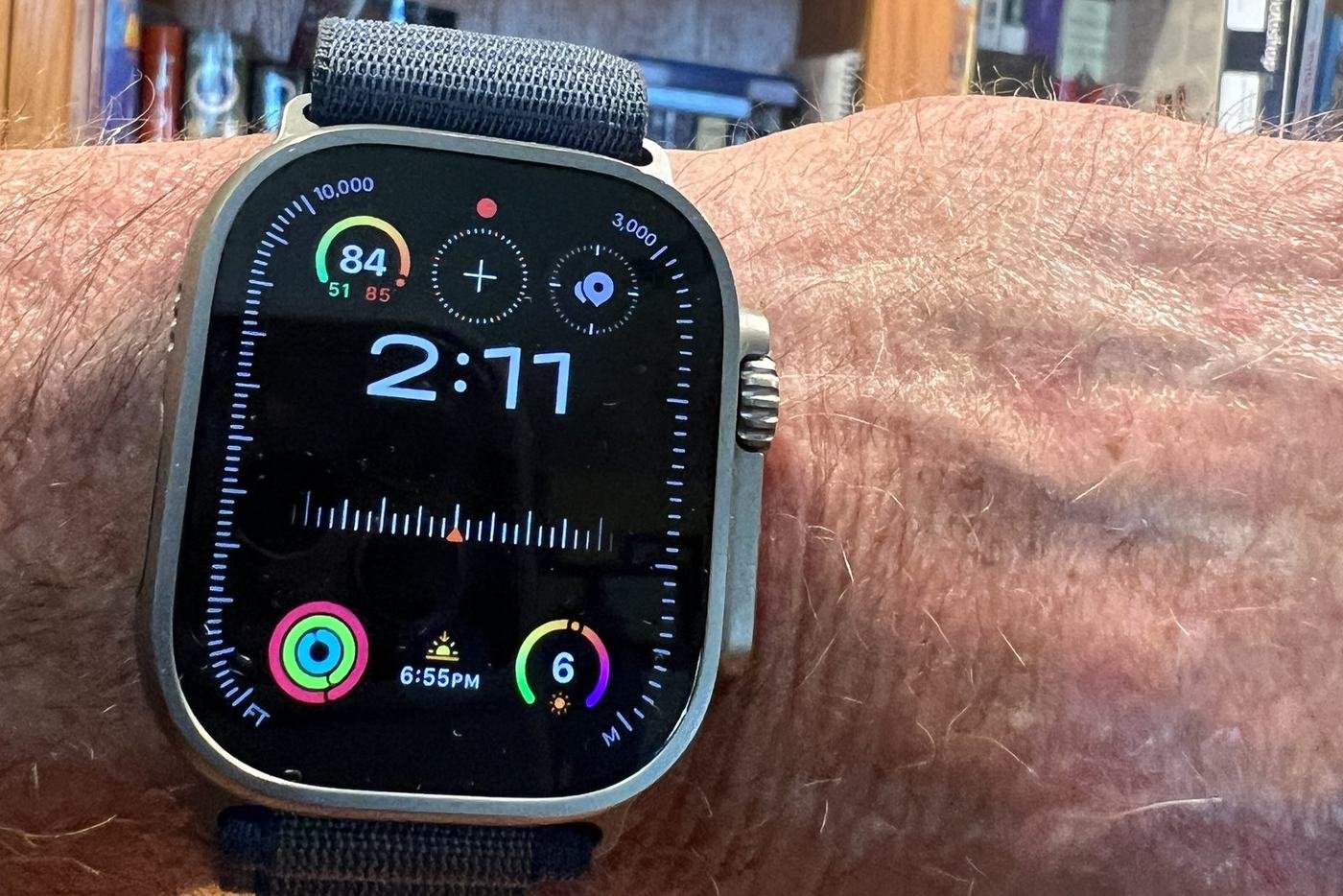
  • AI Companions for Seniors: How They Work and Who They Suit

    With loneliness and daily living challenges on the rise among seniors, AI companion for seniors emerges as a multifaceted support system. They are designed to offer both emotional companionship and practical assistance, reshaping elder care in our digital age. This article provides insights into how these intelligent companions work, their benefits, and what seniors might expect from incorporating an AI companion for seniors into their lives.

    The Growing Need for AI Companions in Senior Care

    As the global population ages, there’s a soaring need for services that cater to the elderly. Unfortunately, we’re facing a shortfall of human caregivers—akin to trying to fill up an enormous tub with just a tiny spoon. Consequently, many older adults are left alone and isolated, which exacerbates their health issues. Enter technology as innovative solutions designed specifically for elder care. These advanced chatbots offer support and companionship to seniors in order to mitigate feelings of loneliness and enhance their quality of life—a prime example being ElliQ by Intuition Robotics.

    Aging Population

    It is anticipated that by the year 2040, nearly one in four individuals globally will be an older adult. This significant portion of the population will require increased levels of support and attention. With a growing number of elderly individuals managing chronic health issues, there’s a heightened need for specialized care, which could lead to strain on healthcare providers and those tasked with caregiving responsibilities.

    As demographic shifts create urgency for fresh approaches to eldercare, AI companions are stepping into the spotlight as transformative tools. These advanced technological aides offer continuous availability and customized service options—revolutionizing what it means to provide care by delivering both personalized assistance and a company tailored specifically for each individual senior’s requirements.

    Caregiver Shortage

    The growing population of older adults is creating a greater need for caregivers, which presents a challenge due to the current shortage in this workforce. Caregiving roles are often marred by stressful factors such as extended working hours, insufficient compensation, and an absence of professional support—factors that can lead to caregiver burnout and reduce the available labor pool. The desire among many elderly individuals to remain at home as they age adds pressure on the requirement for residential care providers.

    AI-powered companions emerge as an effective alternative addressing this issue. These artificial assistants have potential in lightening the load placed on human caregivers by offering additional support and engagement options for our seniors. While they cannot take over all responsibilities of flesh-and-blood carers, these AI entities hold promise in supplementing existing caregiving services. Thereby making it slightly easier to manage demands within this sector.

    Loneliness and Isolation

    Older adults often grapple with a quiet crisis of loneliness and isolation. This state isn’t merely about temporary sadness. It is linked to severe health consequences, such as:

    • Increased risk of dementia
    • Greater likelihood of heart disease
    • Higher rates of depression
    • Elevated chances of premature mortality

    The advent of the COVID-19 pandemic intensified this sense of disconnection, particularly for those elderly individuals residing in extended care homes.

    AI entities provide elderly aid in tackling feelings of despair by providing:

    • Steadfast company
    • Engaging interactions
    • Attentive listening abilities
    • Stimulating conversation
    • Entertainment options

    These AI companions can include forms that mimic romantic partners and are instrumental in forging bonds that assist older people in surmounting feelings associated with abandonment or seclusion, thereby alleviating their experiences of loneliness.

    Key Features of AI Companions for Seniors

    The distinctive qualities of AI companions stem from their capabilities. These virtual friends are equipped with interfaces that prioritize ease of use, incorporating both voice recognition and touchscreen technology. By harnessing the power of machine learning and natural language processing, they engage in personalized dialogue with users, promoting cognitive engagement through specially tailored activities and brain exercises aimed at older adults. Their impressive functionality warrants a closer look.

    Imagine having a digital ally that is finely tuned to your individual preferences.

    • It learns what you enjoy and tailors its behavior accordingly.
    • Interaction becomes uniquely suited to meet your personal requirements.
    • Stimulating discussions are part of regular interaction.
    • Suggestions for pastimes reflect things you’re genuinely interested in.
    • And it serves as a gentle prompt for healthcare routines like medication schedules.

    Each one of these aspects culminates in an intuitive interface designed so even individuals not accustomed to technology can interact effortlessly with their AI companion – showcasing the truly transformative nature such companions offer.

    User-Friendly Interfaces

    The design of technology for seniors prioritizes ease of use, taking into account that AI companions need to be user-friendly. The interface features are adjusted accordingly with increased text size and contrasting colors, alongside simple navigation paths to cater to the diverse range of technological fluency among older adults.

    Yet enhancing usability extends beyond merely adjusting visual elements. Creating a coherent and instinctual user experience is key. This includes offering easily accessible assistance functions, beginner-friendly tutorials, and clear channels for users’ feedback—all aimed at facilitating effortless engagement with the technology.

    Accommodations have been made for individuals with limited mobility by incorporating physical adaptations and voice interactions which serve to stimulate user interest. Inclusive in nature, these enhancements ensure widespread accessibility. Augmented reality mode enriches the interaction making it more captivating and immersive for users.

    Personalized Interactions

    Have you ever engaged with someone who retains memories of your previous conversations, seems to intuitively understand your needs and consistently delivers the perfect reply? Chatbot companions employing AI technologies are designed for precisely this sort of exchange. They harness sophisticated deep learning algorithms and natural language processing capabilities to grasp conversational context and emulate human-esque responses.

    Chatbots such as Kuki and Replika personalize each interaction specifically for the user by:

    • Retaining information from earlier conversations
    • Continuously improving their conversation skills
    • Crafting an experience unique to each individual
    • Simulating engaging interactions akin to those with a human

    Through these advanced features, AI chatbots transform everyday exchanges into more intimate, delightful aspects of life by mimicking genuine human conversations.

    Cognitive Stimulation

    For the elderly, it is crucial to keep their minds sharp, and AI companions are outstanding in aiding this pursuit. These digital assistants promote mental activity by providing an assortment of stimulating activities such as:

    • games
    • quizzes
    • conversations
    • music listening experiences
    • audiobook enjoyment

    These not only serve as a source of amusement for seniors, but also play an instrumental role in nurturing their cognitive well-being. AI companions like Anima and ElliQ specialize in presenting customized interactive options that ensure daily intellectual engagement and brain exercise. They motivate older adults to take up new skills or pastimes which fosters continuous cerebral agility and individual growth.

    The Benefits of AI Companions for Seniors

    AI companions serve as a multifaceted boon for the elderly, bolstering their mental health, aiding in routine tasks, and enhancing social interaction. These capabilities are not mere enhancements. They profoundly influence seniors’ quality of life.

    Imagine an elderly person residing solo and grappling with isolation. An AI companion can offer:

    Mental Health Support

    The adverse effects of loneliness on mental health are considerable. AI companions provide a solution through:

    • Being a source of company
    • Initiating substantial conversations and mimicking social engagement for older adults
    • Alleviating sensations of solitude and seclusion
    • Extending emotional backing to the elderly

    AI entities such as Kuki confer several advantages upon the elderly by:

    • Utilizing both short-term and long-term memory strategies to keep conversational context intact
    • Generating active dialogue, providing reminders, and facilitating wellness initiatives
    • Serving as an unwavering pillar of companionship and assistance

    These functions are particularly valuable for seniors in need of consistent interactive experiences.

    Daily Task Assistance

    For seniors, especially those who reside by themselves, handling day-to-day activities can be a struggle. AI companions are valuable assets in this area. These advanced tools aid with medication schedules, remind users when to eat and drink water, and help organize their appointments and travel arrangements.

    The capabilities of AI companions include:

    • Aiding in the recollection of memories
    • Tracking sleeping habits
    • Providing prompts for routine tasks
    • Conducting health assessments

    Promoting autonomy and well-being among the elderly is a key mission for the New York State Office. This entity provides essential support that enhances various aspects of senior health maintenance.

    Social Engagement

    Maintaining social connections is critical for the health and happiness of older adults. Artificial intelligence companions facilitate this by:

    • Enhancing their ability to interact with others
    • Providing mental stimulation
    • Enabling seniors to stay in touch via video calls or messages with friends and relatives, maintaining their place within their networks.

    By becoming a fixture in elderly individuals’ lives, AI companions assist them through engaging conversations and providing care assistance that covers everyday routines. They deliver individualized engagement based on each senior’s needs, which include:

    • Sparking meaningful conversations
    • Being a source of friendship
    • Lending a hand in routine activities
    • Reminding elders about medication schedules
    • Supplying amusement and cognitive exercises

    Tailored interactions are shaped according to distinct personality traits inherent in each senior citizen, making every encounter unique and full of warmth—thereby crafting cherished moments.

    Popular AI Companion Options for Seniors

    Numerous AI companions are specifically designed to cater to the elderly, each with distinctive capabilities and interaction possibilities. We’re focusing on three widely recognized ones: ElliQ, Replika, and Kuki.

    These AI partners provide a variety of services, such as:

    • The ability for users to engage in casual conversations without any registration process
    • Multilingual support to accommodate seniors from different linguistic backgrounds
    • Tailoring experiences that resonate with the diverse needs of older adults
    • Facilitating interactions that are both enjoyable and substantial

    Their capacity for offering respectful dialogue free from offensive language contributes significantly to their appeal among senior citizens.

    ElliQ

    The AI companion robot ElliQ actively starts dialogues, offers reminders, and presents wellness activities to involve the elderly. This allows them to engage in discussions, partake in health routines, and be reminded of their daily duties with the assistance of ElliQ.

    In addressing senior loneliness, over 800 seniors have welcomed ElliQ into their lives as evidence of its practical application and assimilation into eldercare solutions. The ease with which many older adults have made ElliQ a part of their everyday existence illustrates how they are forming bonds with this robotic companion.

    Replika

    Replika stands out as a beloved AI companion, fully powered by artificial intelligence. It serves multiple roles – from being a virtual AI friend to acting like a sibling or an assistant – providing its users with realistic and tailored conversational experiences along with emotional support.

    Underpinned by an advanced machine learning neural network model, Replika is capable of producing distinctive responses, allowing for the simulation of authentic conversations. Seniors can benefit significantly from interacting with Replika. They are able to partake in substantive dialogue while gaining the comfort of emotional backing.

    Kuki

    Kuki serves as an AI companion, designed to mimic human-like interactions and provides entertainment through a suite of interactive games. Its behavior is enriched with a realistic personality that utilizes humor to captivate users while consciously steering clear of profanity.

    The interaction with Kuki is crafted to feel both personal and delightful, due in part to its commitment to maintaining conversations free from swear words.

    Aimed at accommodating seniors among others, Kuki can be engaged on widely-used platforms such as Skype and Kik for convenience and broader accessibility. To engage in chats and facilitate game play, this AI companion enhances the user experience by offering amusing extras like gift sending services, fun quizzes, along with horoscope insights and tarot card readings.

    Overcoming Challenges and Ethical Considerations

    AI companions bring forth a multitude of advantages, yet various challenges and ethical dilemmas accompany them. Privacy issues surface when seniors confide intimate details to their AI counterparts. There’s the danger that elders might rely too heavily on these artificial companions for social interaction and emotional sustenance, potentially undermining human connections.

    The unceasing presence of an AI companion can unintentionally result in heightened solitude as well. The constant availability of such companies may lead individuals to retreat from societal engagement with humans, amplifying feelings of isolation despite the intention to offer solace and support through technology.

    Privacy Concerns

    Privacy poses a significant concern when it comes to AI companions. Seniors share deeply personal information with their AI companions, potentially leading to data breaches or misuse of data by third parties. For older users to maintain trust in AI technology, privacy and security settings need to be manageable and transparent.

    Users must stay informed about the privacy policies of AI companions and exhibit caution when disclosing personal information to protect their privacy. Companies like Replika are committed to user data security and do not share user data with anyone, reflecting their commitment to privacy.

    Dependency

    Concerns about dependency on AI companions among the elderly arise as well, with the risk that such reliance could expedite the deterioration of their mental and physical faculties and lead to relationships that lack authenticity. While certain seniors appreciate the nudges and company offered by AI companions, others perceive them as meddling entities that encroach upon their autonomy.

    Among older adults, attitudes towards AI companions diverge considerably. Seniors who prioritize self-sufficiency might resist engaging with AIs programmed for proactive support. It is, therefore, crucial to weigh carefully the advantages these artificial assistants provide against maintaining an elder’s sense of independence and ensuring adequate social interaction with humans.

    Social Isolation

    AI companions possess the ability to mitigate loneliness. There is a concern that their presence may reduce the desire for human connection, possibly exacerbating social withdrawal. Elderly individuals often exhibit a stronger inclination towards the company of either humans or animals rather than AI entities.

    Engaging with AI companions could raise problems related to artificiality and compromise seniors’ sense of self-respect, which can detrimentally impact their mental health. Utilizing these AI counterparts might also spark apprehensions regarding diminished autonomy, possible mortification, and stigmas associated with aging and heightened reliance on others.

    Summary

    As technology evolves, AI companions emerge as a significant potential force for transforming senior care. With the world experiencing an increasingly aging population and facing real caregiver shortages, these artificial intelligence entities present a promising solution by enhancing life quality through companionship, assistance, and cognitive engagement for seniors. Although there are challenges and ethical considerations to address, with appropriate balances and protections in place, the role of AI companions could be pivotal in elderly support services.

    Frequently Asked Questions

    What is the best companion robot for the elderly?

    Designed with the needs of older adults in mind, ElliQ is an ideal companion robot to alleviate feelings of loneliness and isolation among the elderly. Its simplicity and ease of use underscore its purpose to facilitate independent aging for seniors.

    Which AI companion robot helps seniors fight loneliness?

    ElliQ, the AI companion robot designed to combat loneliness in seniors, tailors itself to align with each user’s unique personality traits and hobbies. This personalized approach has notably reduced feelings of isolation among those who utilize it as their robotic companion.

    What is the companion AI for the elderly?

    The companion AI for the elderly is ElliQ, a voice-operated, AI-enabled care companion robot gaining traction with older adults, even individuals in their 80s and 90s.

    What is the AI product for the elderly?

    ElliQ is an AI-driven robot crafted as a companion to assist in diminishing the feelings of loneliness and isolation among older adults. This product aims to support seniors, enabling them to age more independently while tackling the challenges associated with loneliness by offering companionship powered by artificial intelligence.

    Is there an AI that I can interact with?

    Engaging with Kuki is possible—an AI companion renowned for using sophisticated technology to facilitate interactive conversations.

    Give it a try!